

Scroll Top
  • Home
  • News
  • Top Stories
  • “MediaTrack 2025”: Suspilne Ukraine and partners present a large-scale study of Ukrainians’ media consumption
“MediaTrack 2025”: Suspilne Ukraine and partners present a large-scale study of Ukrainians’ media consumption

“MediaTrack 2025”: Suspilne Ukraine and partners present a large-scale study of Ukrainians’ media consumption

Поділитись

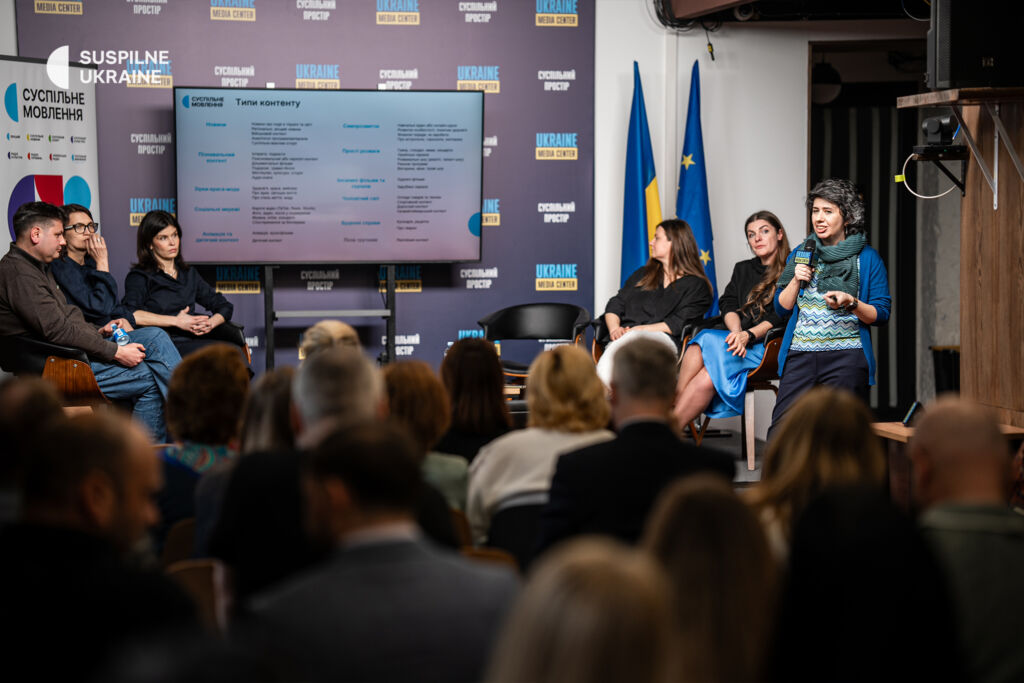
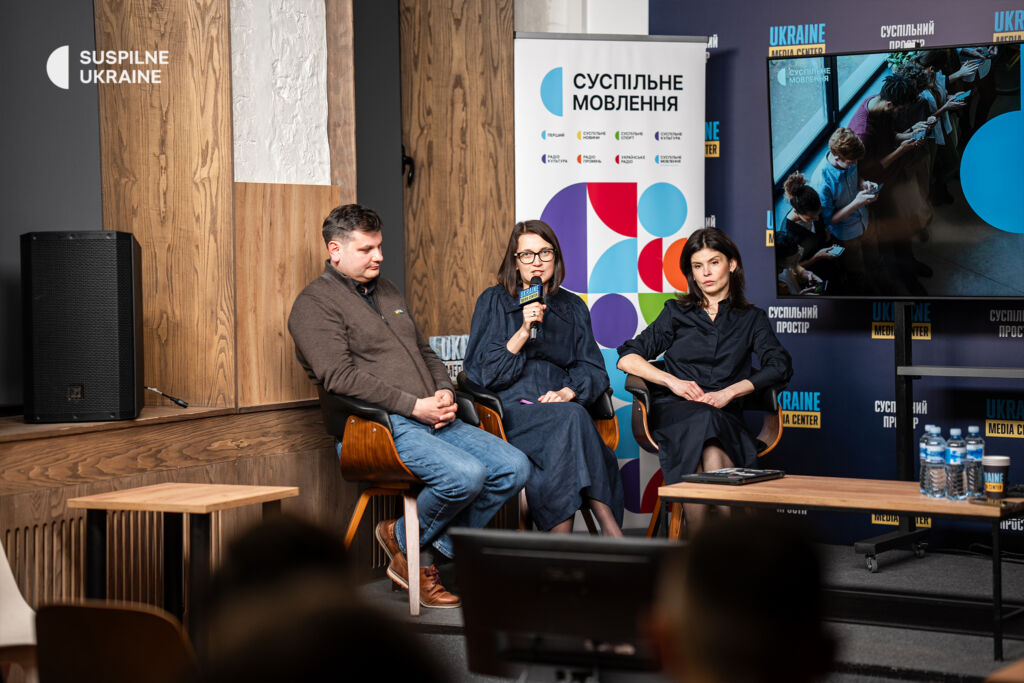
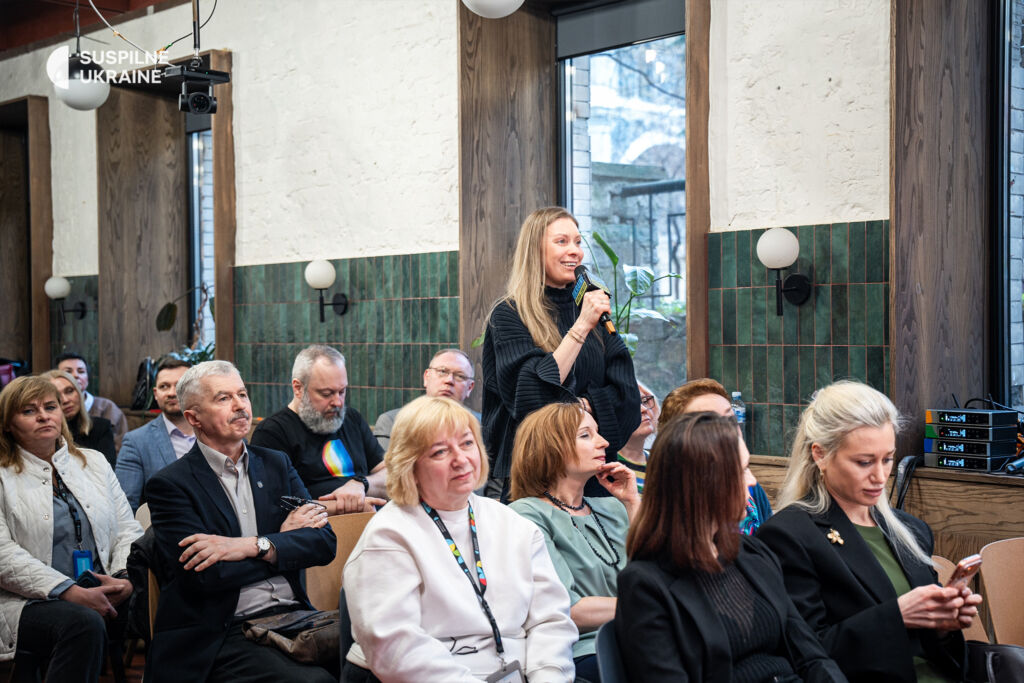
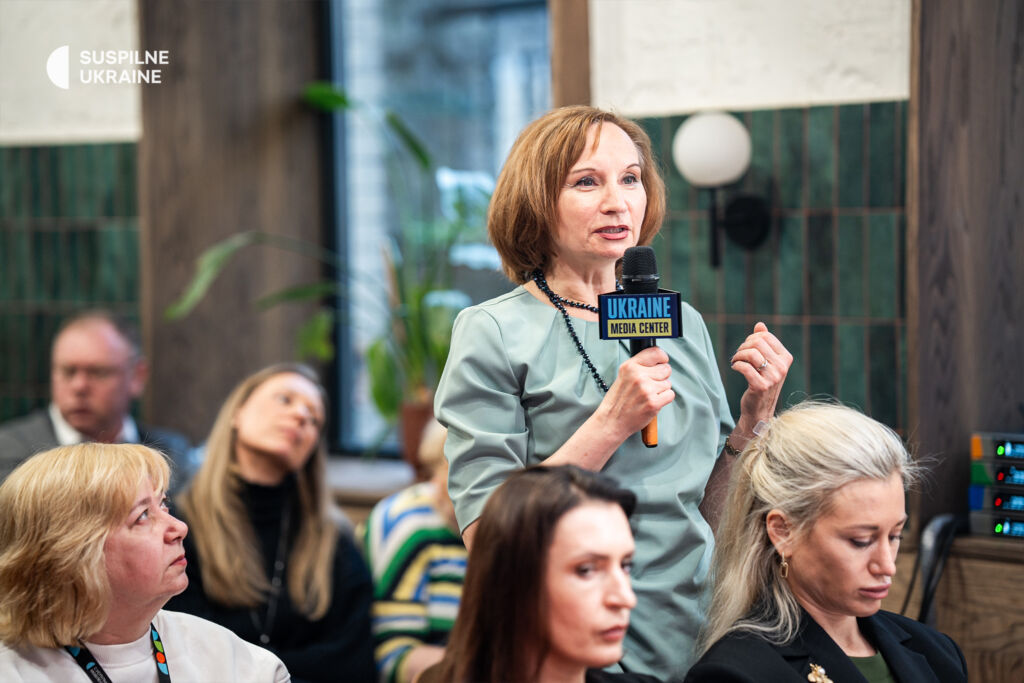
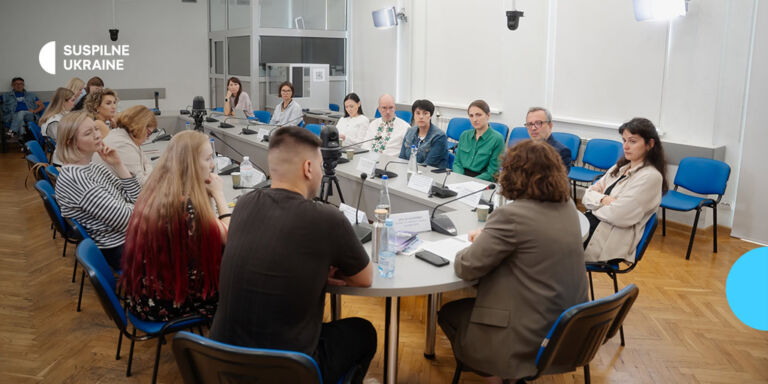
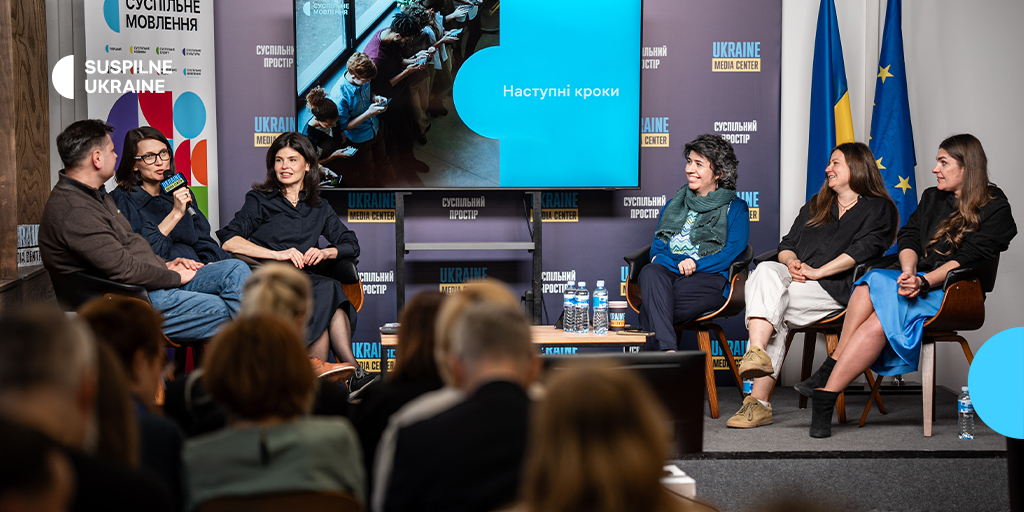
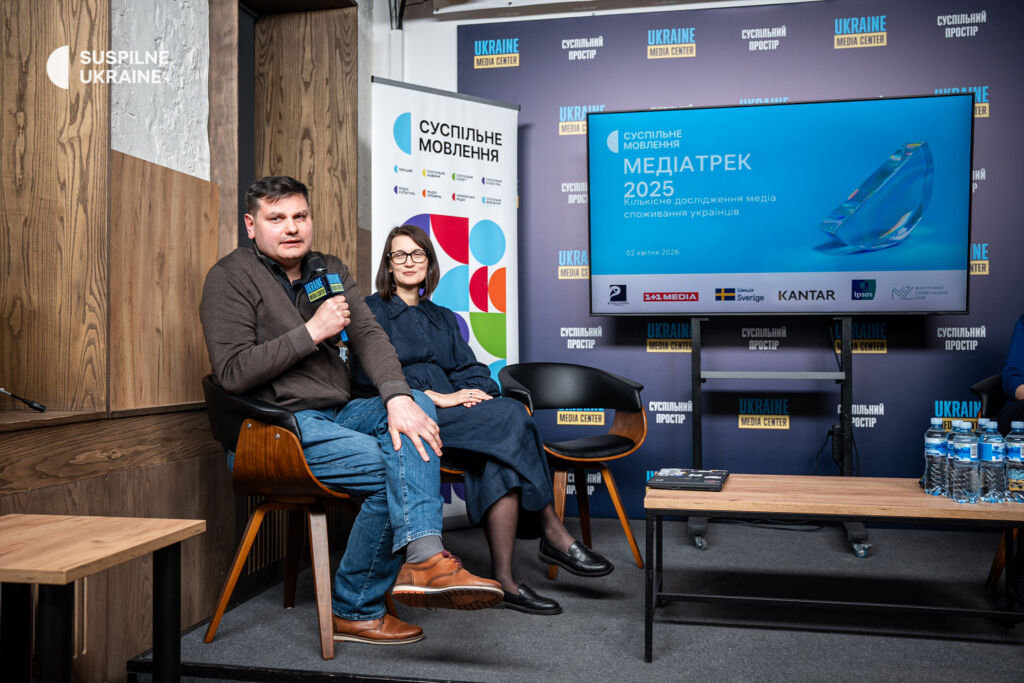
Which platforms do Ukrainians choose — radio, television, or digital? Are there distinct audiences for each of them? How are media consumption habits changing, and what is known about audiences in small towns? These topics were discussed during the presentation of the quantitative study on Ukrainians’ media consumption, “MediaTrack 2025,” which Suspilne Ukraine presented together with its partners on April 2. The event took place at Media Center Ukraine as part of the professional discussions of the Suspilne PRO* platform.

The study was conducted by Kantar, Ipsos, and MZ Hub as part of and thanks to the project “Support for Editorial and Digital Transformation and the Development of Public Broadcasting’s Corporate Culture in Ukraine,” funded by the Swedish International Development Cooperation Agency, Sida. Partners included Evolution Media and 1+1 media.

What is this study and why is it important for the market? 

“MediaTrack 2025” is designed to provide a comprehensive picture of how Ukrainians consume media — not separately by platform, but as a unified system. It is an attempt to create a shared knowledge base for the market that will help understand the role of various platforms, brands, and channels in daily media consumption.

Andriy Taranov, a member of the managing board of Suspilne Ukraine, responsible for marketing, research, and international relations explains that the study was a response to the rapid changes in society and the media landscape during a full-scale war:
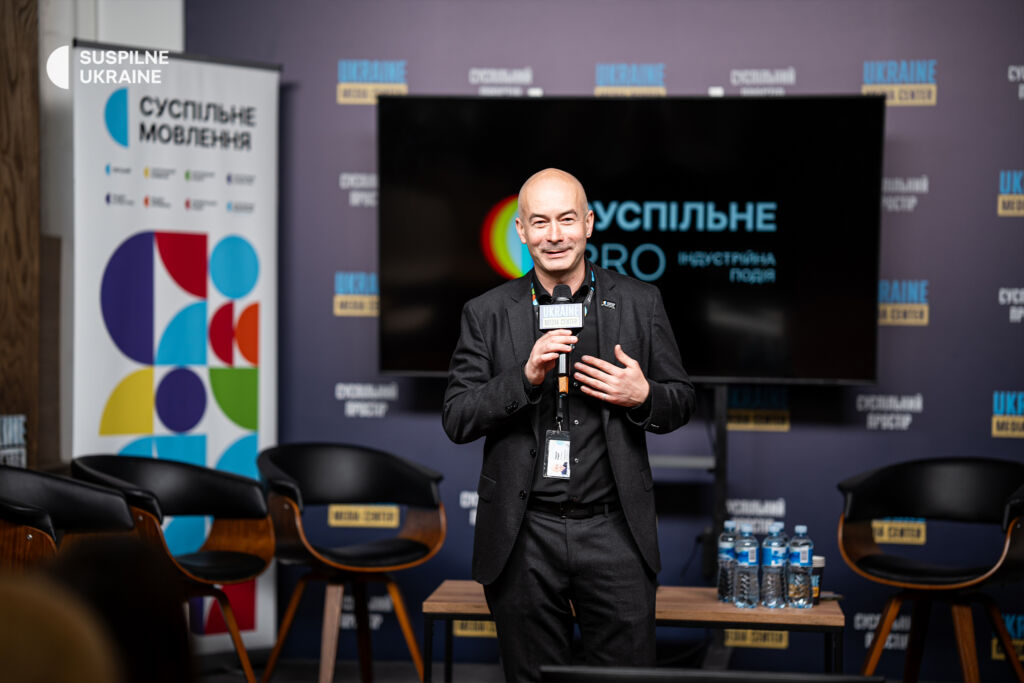
Andriy Taranov
Andriy Taranov

“We live in a society that is going through a major war and, at the same time, experiencing a dramatically accelerated digital transformation. In this environment, there are more questions than answers — from basic demographics to the distribution of attention, time, and brands in people’s minds.”

One of the key ideas, according to Andriy Taranov, was to structure the study using a “constructor” approach — where different data elements can be combined into a unified system:

“We tried to model a constructor-based approach. It is important to us that the entire industry has a shared perspective on Ukrainians’ basic media menu — and that this foundation helps everyone do their work: those who sell advertising, those who study society, and those who program content.”
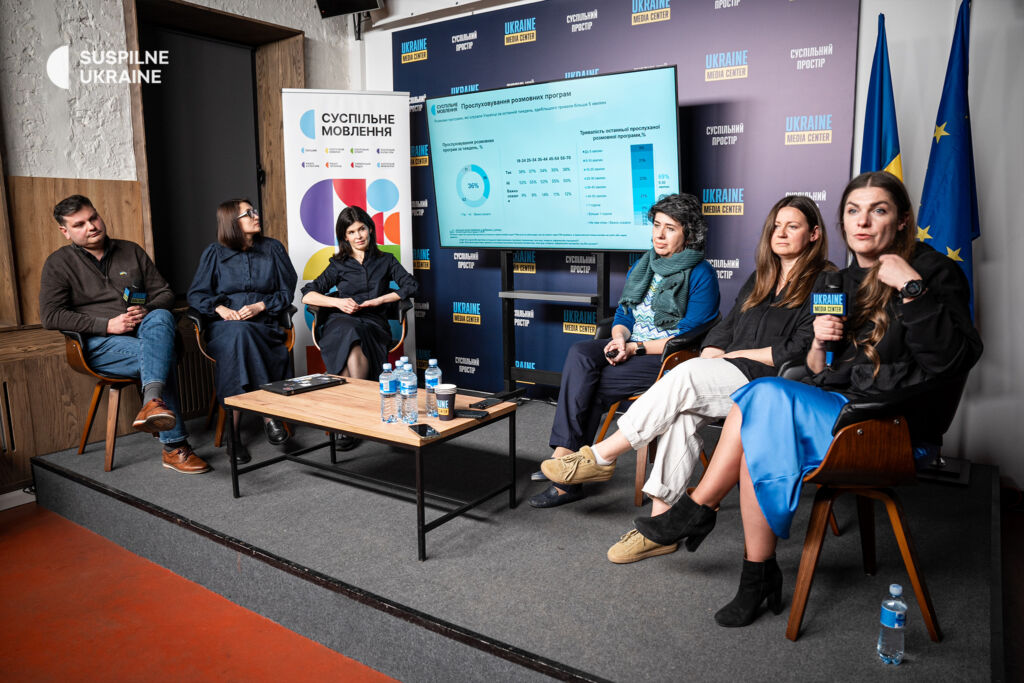
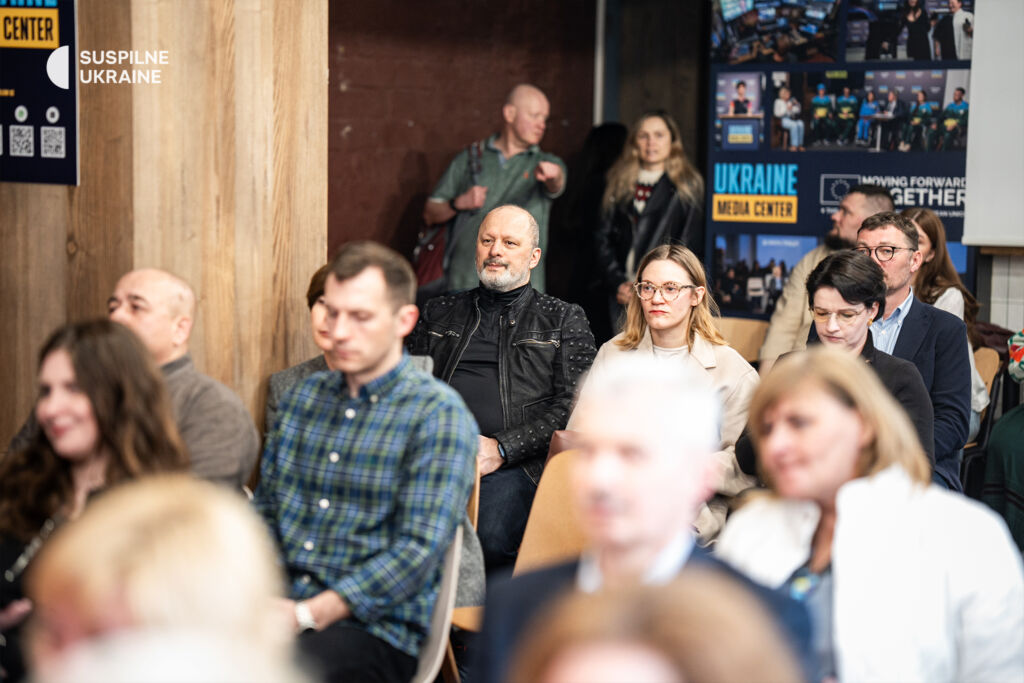
The study’s partners emphasize: it was precisely the cooperation between different market players and the large sample size that made it possible to obtain a comprehensive view of media consumption.

“Thank you to Suspilne for giving me the opportunity, for the second year in a row, to participate in what I believe is a very important process for the Ukrainian media market. I believe that, over time, we will be able to create a large-scale study that brings together all media outlets. And I hope that representatives from across the industry will join in, primarily financially, to provide the most transparent picture of media consumption,” said Anna Kupchyshyna, commercial director of the radio station at the Evolution Media media holding.

“This project is an example of how cooperation and synergy yield truly high-quality results. A sample of 4,500 respondents is a substantial size, and everyone who works in research understands this. Thanks to this, we have obtained valid data and the ability to analyze platforms and audiences from various angles,” noted Viola Denys, Head of Research at 1+1 media. 

 How the study is structured 

“MediaTrack 2025” covers several key dimensions of media consumption:

  • media menu (an individual set of platforms on which Ukrainians can consume content throughout the week);
  • digital platforms;
  • television and OTT platforms;
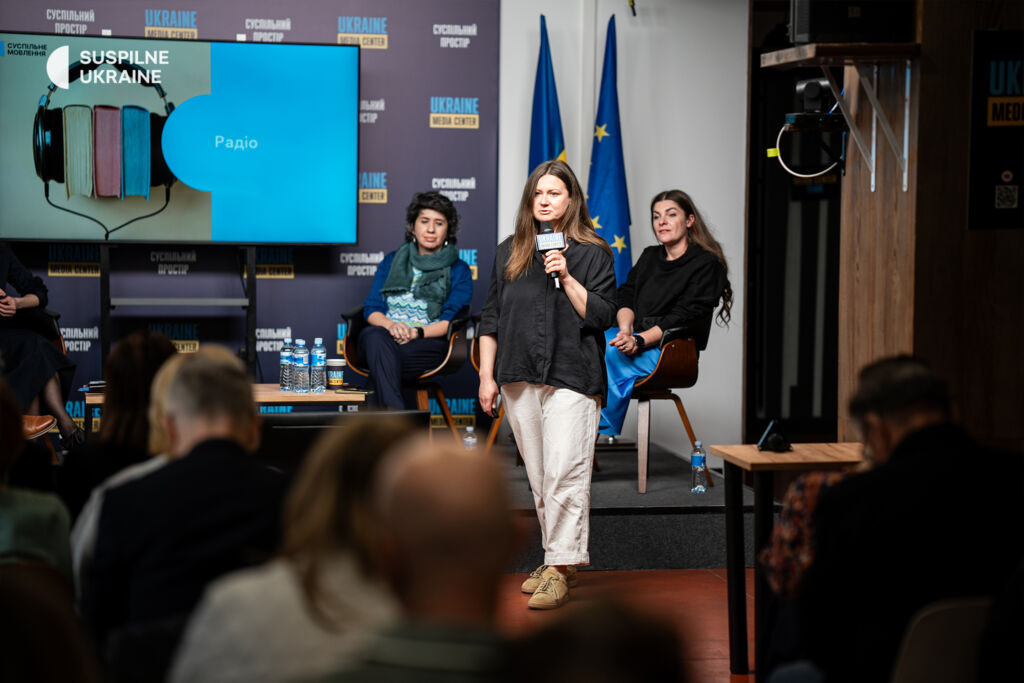
  • radio;
  • audience segmentation by content consumption habits.
Research data
Research data

Julia Volokh, director of the public opinion research department at Suspilne Ukraine, emphasizes that this is the largest dataset on media consumption currently available in Ukraine.

Julia Volokh
Julia Volokh

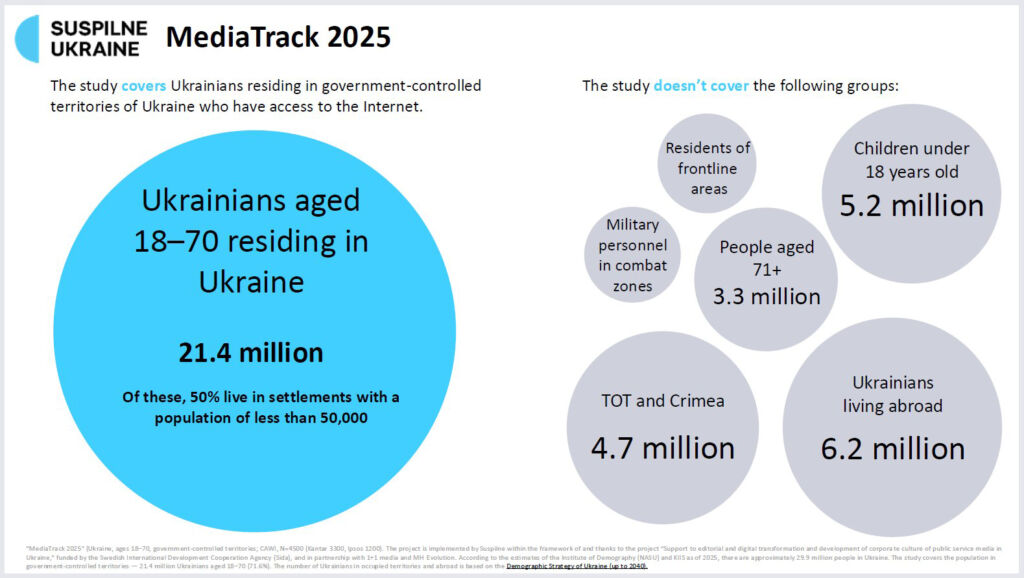
“It is important that it covers cross-platform consumption of all media — not just radio, television, or digital separately — but provides a comprehensive view of the Ukrainian consumer. We surveyed audiences across Ukraine among people aged 18–70. Many studies today are limited to cities with populations over 50,000 — this also applies to telemetry. 

At the same time, about half of the country’s population lives in smaller settlements, and it is important to include them in the overall picture. Even if their consumption patterns are similar to those of residents in larger cities, we need to know this and confirm it with data,” emphasizes Julia Volokh.

Julia Volokh also highlighted the principles of sample selection in the context of a full-scale war:

“Since the start of the full-scale war, there has been no up-to-date official data from the State Statistics Service of Ukraine. Therefore, to form representative quotas, we used estimated data — specifically from the Institute for Demography and Life Quality Problems of the National Academy of Sciences of Ukraine and the annual estimates by The Kyiv International Institute of Sociology (KIIS) has partnered with the Industrial Television Committee (TIC) in Ukraine”.

Key findings: what “MediaTrack 2025” revealed 

Messengers are market leaders. Almost every Ukrainian logs into Telegram or other messengers every week. This is the fastest channel for getting news.

Social media and video. Facebook, Instagram, and TikTok remain the main platforms, though their audiences are more divided by age. At the same time, YouTube has become the country’s primary “TV,” where viewers are increasingly willing to pay for content.

The transformation of TV. Traditional television isn’t disappearing, but it is changing form. Viewers are increasingly watching TV shows not via broadcast but through OTT platforms (such as Kyivstar TV or Megogo) and YouTube.

The Stability of Radio. Despite digitalization, radio is firmly holding its niche—more than half the population listens to it regularly.

A new force — AI. Nearly one in two Ukrainians already uses artificial intelligence every week, making it a serious new competitor for user attention.

What does this mean for communication? The audience is now extremely fragmented: on average, one person uses 7 different platforms per week.

Key takeaway: A single communication channel is no longer enough. To be heard, a brand or media outlet must be everywhere at once—from Telegram channels to smart TV screens.

You can view the presentation of the “MediaTrack 2025” study results at the link.

 What’s Next: Research Outlook 

Andriy Koval, head of the Research Department at Suspilne Ukraine, noted that they plan to make the study a regular feature to track changes in media consumption over time:

Andriy Koval
Andriy Koval

“This study has already answered many questions, but at the same time, it has raised new ones. In science, this is a sign of effective work. We aim to conduct such studies regularly to see the full picture of changes and respond promptly to market transformations.”

According to him, the team is already preparing for the next wave of the study:

“We plan to finalize our partners by May of this year to define the scope of resources, tasks, and goals. This will allow us to begin the field phase in September and, by November — before everyone starts planning for next year — have a basis for decision-making.”

If you are interested in collaborating or would like to learn more about Suspilne’s research, please contact the Research Department: [email protected]

Suspilne Ukraine is an independent media company with a strong presence across all platforms: the TV channels PershyiSuspilne KulturaSuspilne Sport, and a national network of local channels; the radio stations Ukrainske Radio, Radio Promin, Radio Kultura, Radiotochka. Find only verified news on suspilne.media, as well as on our national and local digital platforms. We broadcast in minority languages, represent Ukraine at the Eurovision Song Contest, develop the children’s platform Brobaks, and train media professionals through the Public Media Academy. Our Suspilne Mediateka platform offers unique video and audio archives dating from the 1920s to today. Defending freedom in Ukraine. 

Photographed by Anastasiia Mantach

Поділитись
“MediaTrack 2025”: Suspilne Ukraine and partners present a large-scale study of Ukrainians’ media consumption

“MediaTrack 2025”: Suspilne Ukraine and partners present a large-scale study of Ukrainians’ media consumption

Поділитись

Which platforms do Ukrainians choose — radio, television, or digital? Are there distinct audiences for each of them? How are media consumption habits changing, and what is known about audiences in small towns? These topics were discussed during the presentation of the quantitative study on Ukrainians’ media consumption, “MediaTrack 2025,” which Suspilne Ukraine presented together with its partners on April 2. The event took place at Media Center Ukraine as part of the professional discussions of the Suspilne PRO* platform.

The study was conducted by Kantar, Ipsos, and MZ Hub as part of and thanks to the project “Support for Editorial and Digital Transformation and the Development of Public Broadcasting’s Corporate Culture in Ukraine,” funded by the Swedish International Development Cooperation Agency, Sida. Partners included Evolution Media and 1+1 media.

What is this study and why is it important for the market? 

“MediaTrack 2025” is designed to provide a comprehensive picture of how Ukrainians consume media — not separately by platform, but as a unified system. It is an attempt to create a shared knowledge base for the market that will help understand the role of various platforms, brands, and channels in daily media consumption.

Andriy Taranov, a member of the managing board of Suspilne Ukraine, responsible for marketing, research, and international relations explains that the study was a response to the rapid changes in society and the media landscape during a full-scale war:

Andriy Taranov
Andriy Taranov

“We live in a society that is going through a major war and, at the same time, experiencing a dramatically accelerated digital transformation. In this environment, there are more questions than answers — from basic demographics to the distribution of attention, time, and brands in people’s minds.”

One of the key ideas, according to Andriy Taranov, was to structure the study using a “constructor” approach — where different data elements can be combined into a unified system:

“We tried to model a constructor-based approach. It is important to us that the entire industry has a shared perspective on Ukrainians’ basic media menu — and that this foundation helps everyone do their work: those who sell advertising, those who study society, and those who program content.”
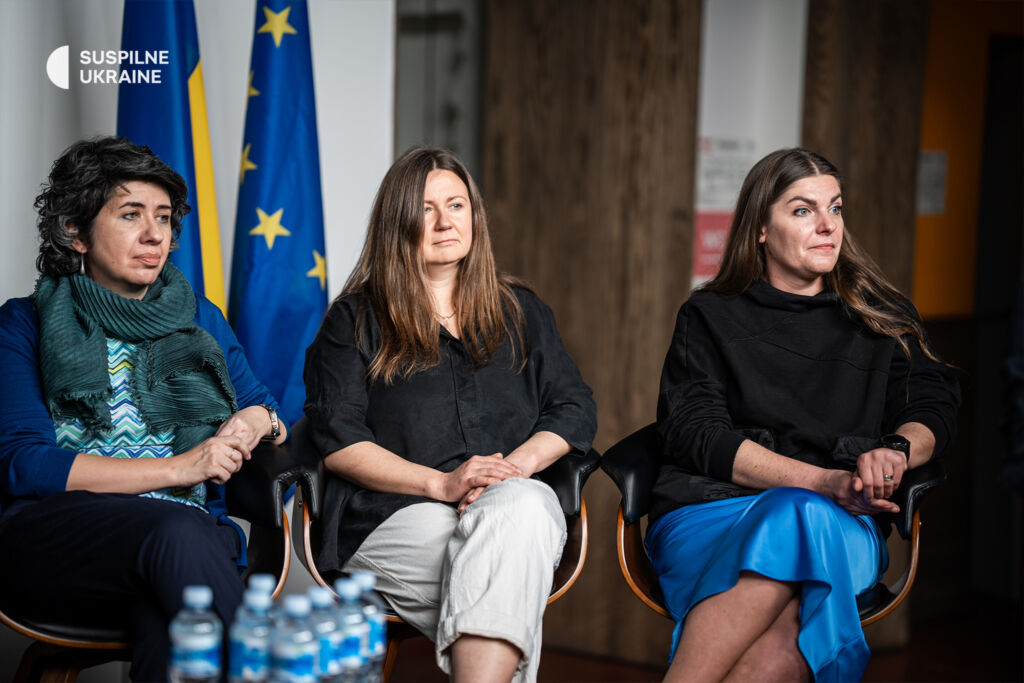
The study’s partners emphasize: it was precisely the cooperation between different market players and the large sample size that made it possible to obtain a comprehensive view of media consumption.

“Thank you to Suspilne for giving me the opportunity, for the second year in a row, to participate in what I believe is a very important process for the Ukrainian media market. I believe that, over time, we will be able to create a large-scale study that brings together all media outlets. And I hope that representatives from across the industry will join in, primarily financially, to provide the most transparent picture of media consumption,” said Anna Kupchyshyna, commercial director of the radio station at the Evolution Media media holding.

“This project is an example of how cooperation and synergy yield truly high-quality results. A sample of 4,500 respondents is a substantial size, and everyone who works in research understands this. Thanks to this, we have obtained valid data and the ability to analyze platforms and audiences from various angles,” noted Viola Denys, Head of Research at 1+1 media. 

 How the study is structured 

“MediaTrack 2025” covers several key dimensions of media consumption:

  • media menu (an individual set of platforms on which Ukrainians can consume content throughout the week);
  • digital platforms;
  • television and OTT platforms;
  • radio;
  • audience segmentation by content consumption habits.
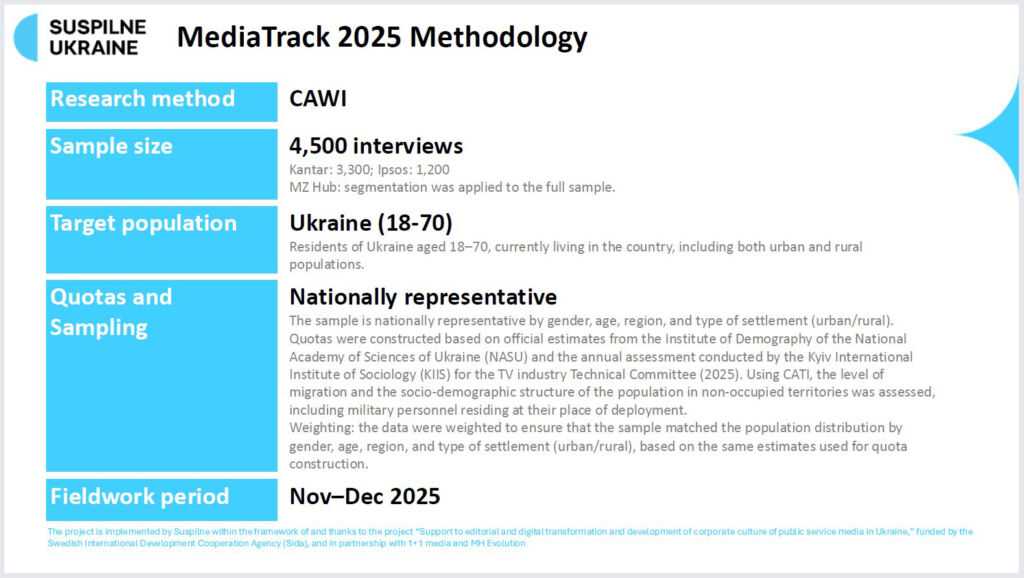
Research data
Research data

Julia Volokh, director of the public opinion research department at Suspilne Ukraine, emphasizes that this is the largest dataset on media consumption currently available in Ukraine.
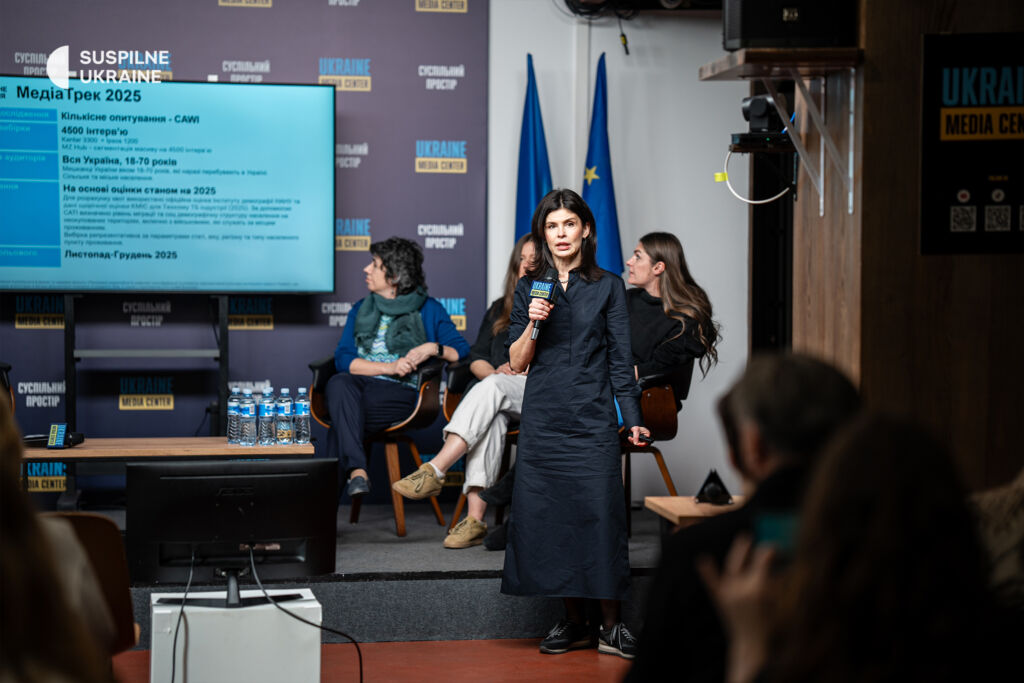
Julia Volokh
Julia Volokh

“It is important that it covers cross-platform consumption of all media — not just radio, television, or digital separately — but provides a comprehensive view of the Ukrainian consumer. We surveyed audiences across Ukraine among people aged 18–70. Many studies today are limited to cities with populations over 50,000 — this also applies to telemetry. 

At the same time, about half of the country’s population lives in smaller settlements, and it is important to include them in the overall picture. Even if their consumption patterns are similar to those of residents in larger cities, we need to know this and confirm it with data,” emphasizes Julia Volokh.

Julia Volokh also highlighted the principles of sample selection in the context of a full-scale war:

“Since the start of the full-scale war, there has been no up-to-date official data from the State Statistics Service of Ukraine. Therefore, to form representative quotas, we used estimated data — specifically from the Institute for Demography and Life Quality Problems of the National Academy of Sciences of Ukraine and the annual estimates by The Kyiv International Institute of Sociology (KIIS) has partnered with the Industrial Television Committee (TIC) in Ukraine”.

Key findings: what “MediaTrack 2025” revealed 

Messengers are market leaders. Almost every Ukrainian logs into Telegram or other messengers every week. This is the fastest channel for getting news.

Social media and video. Facebook, Instagram, and TikTok remain the main platforms, though their audiences are more divided by age. At the same time, YouTube has become the country’s primary “TV,” where viewers are increasingly willing to pay for content.

The transformation of TV. Traditional television isn’t disappearing, but it is changing form. Viewers are increasingly watching TV shows not via broadcast but through OTT platforms (such as Kyivstar TV or Megogo) and YouTube.

The Stability of Radio. Despite digitalization, radio is firmly holding its niche—more than half the population listens to it regularly.

A new force — AI. Nearly one in two Ukrainians already uses artificial intelligence every week, making it a serious new competitor for user attention.

What does this mean for communication? The audience is now extremely fragmented: on average, one person uses 7 different platforms per week.

Key takeaway: A single communication channel is no longer enough. To be heard, a brand or media outlet must be everywhere at once—from Telegram channels to smart TV screens.

You can view the presentation of the “MediaTrack 2025” study results at the link.

 What’s Next: Research Outlook 

Andriy Koval, head of the Research Department at Suspilne Ukraine, noted that they plan to make the study a regular feature to track changes in media consumption over time:
Andriy Koval
Andriy Koval

“This study has already answered many questions, but at the same time, it has raised new ones. In science, this is a sign of effective work. We aim to conduct such studies regularly to see the full picture of changes and respond promptly to market transformations.”

According to him, the team is already preparing for the next wave of the study:

“We plan to finalize our partners by May of this year to define the scope of resources, tasks, and goals. This will allow us to begin the field phase in September and, by November — before everyone starts planning for next year — have a basis for decision-making.”

If you are interested in collaborating or would like to learn more about Suspilne’s research, please contact the Research Department: [email protected]

Suspilne Ukraine is an independent media company with a strong presence across all platforms: the TV channels PershyiSuspilne KulturaSuspilne Sport, and a national network of local channels; the radio stations Ukrainske Radio, Radio Promin, Radio Kultura, Radiotochka. Find only verified news on suspilne.media, as well as on our national and local digital platforms. We broadcast in minority languages, represent Ukraine at the Eurovision Song Contest, develop the children’s platform Brobaks, and train media professionals through the Public Media Academy. Our Suspilne Mediateka platform offers unique video and audio archives dating from the 1920s to today. Defending freedom in Ukraine. 

Photographed by Anastasiia Mantach
Поділитись
Privacy Preferences
When you visit our website, it may store information through your browser from specific services, usually in form of cookies. Here you can change your privacy preferences. Please note that blocking some types of cookies may impact your experience on our website and the services we offer.