

Scroll Top
  • Home
  • News
  • “Kherson. Breathe slowly”: Suspilne Ukraine's investigation about air quality in Kherson
“Kherson. Breathe slowly”: Suspilne Ukraine's investigation about air quality in Kherson

“Kherson. Breathe slowly”: Suspilne Ukraine's investigation about air quality in Kherson

Поділитись

Suspilne Kherson, in collaboration with director Kateryna Murovana, has prepared an environmental investigation entitled “Kherson. Breathe Slowly” — a film about how war affects the environment and human health. 

On December 20, a preview of the film will take place in one of the city’s shelters. To participate, you must register at the link and receive confirmation, the address, and the time of the screening at the email address you provided in the form.

Watch the premiere on December 22 on the Suspilne Kherson YouTube channel.

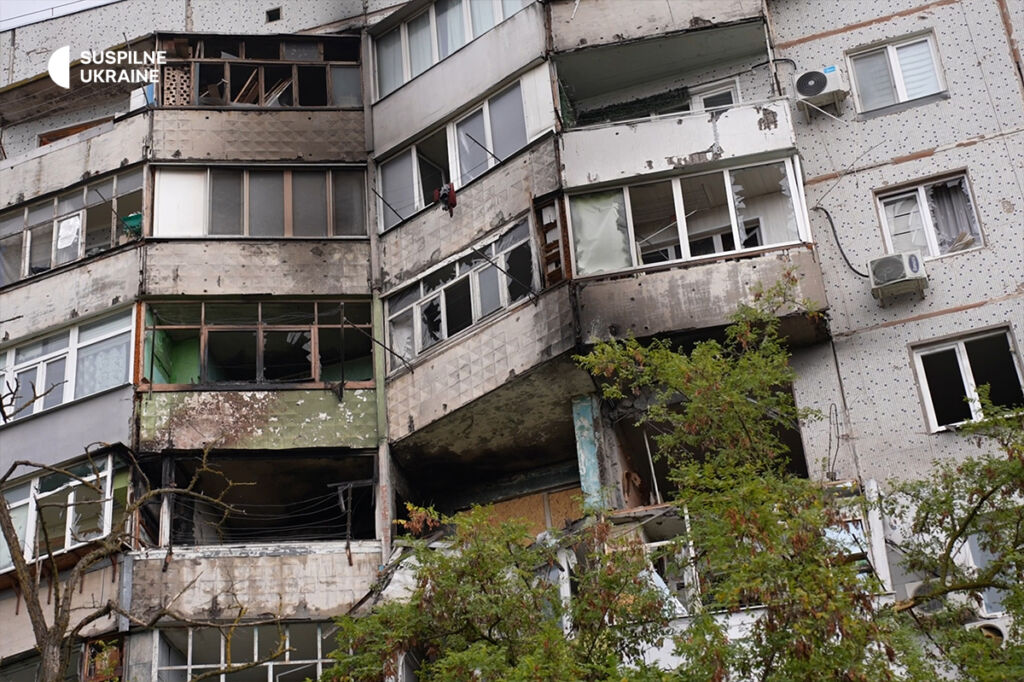
The authors investigated the impact of constant shelling, in particular, on air quality in Kherson, the consequences of pollution for the health of local residents, and the overall state of the environment. After all, each drone that falls on Kherson soil contains as many toxic substances as 400 grams of batteries. When they explode, they scatter, settling in yards, on roofs, and in courtyards.
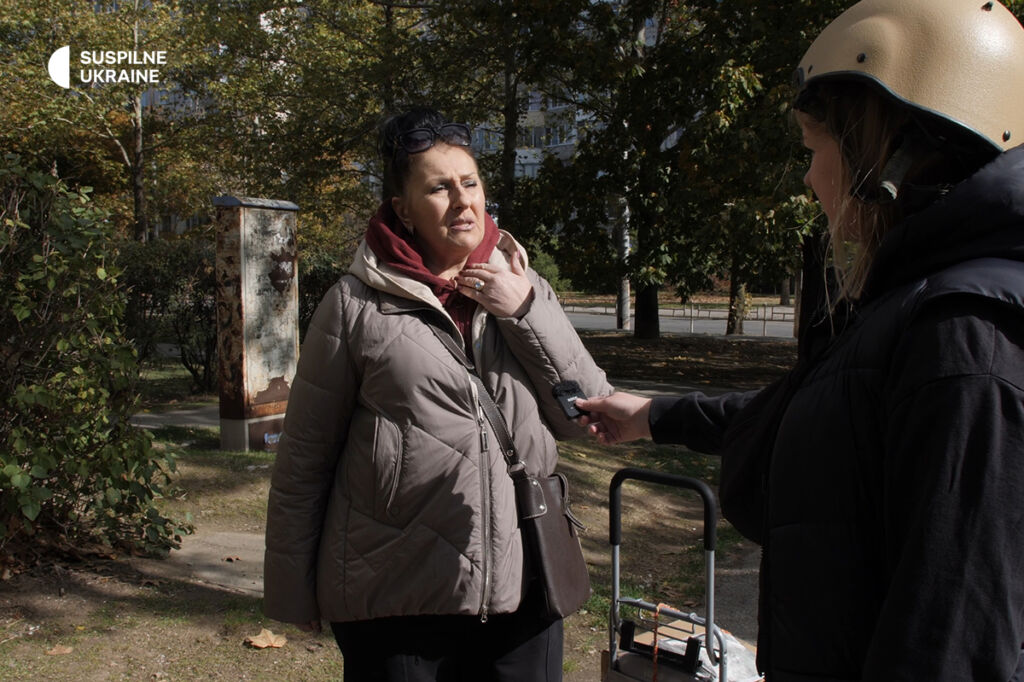
“The team of authors did not just document the problem, but gave it a human dimension through the stories of Kherson residents who live amid explosions and are still building a future. This is important work for the whole country because it reminds us that rebuilding Ukraine is not just about buildings, but also about restoring the environment and people’s health. And for our branch, this film is extremely relevant,” says Tetiana Yaremko, editor-in-chief of Suspilne Kherson.

Journalists analyzed the reaction of local authorities and international organizations, as well as what the ecological future of the region might be if the impact of the war on the environment continues to be ignored, as experts are recording elevated concentrations of harmful substances in the air, and each new strike leaves behind microparticles that can remain dangerous for a long time. At the same time, the system for monitoring atmospheric air quality in Kherson remains very outdated.

“The air in Kherson today smells of gunpowder and the incredible resilience of its people — this is perhaps the main idea of the film, which Kateryna and her team have created so accurately and concisely that when watching it, it seems as if it was filmed by the people of Kherson themselves. Living in the whirlwind of events, in our constant struggle for survival, we often fail to notice invisible threats. We see the ruins. But we don’t see the polluted air, even though its effects are already affecting us and will remain with us for many years to come,” said the author of the project, Alyona Movchan, a correspondent for Suspilne Kherson.

According to Kateryna Murovana, one of the biggest challenges while working in Kherson was the security situation—as difficult as in all frontline regions of Ukraine, with the film crew working close to areas under shelling.

“Our documentary is not a ‘scary story for the night’ or an attempt to evoke pity or fear. It is a sincere desire to show the real life of Kherson residents today: people who have not simply adapted to the circumstances, but continue to live and work with the belief that their city will soon be free and will finally be able to breathe freely,” said the director.

Military personnel, scientists, doctors, representatives of public organizations, meteorologists, and representatives of state bodies shared their thoughts on the state of the environment.

As a reminder, this spring, Suspilne announced art competitions* for six environmental investigations: air pollution caused by Russian shelling, long-standing landfills, construction on the banks of the Dnipro River, deforestation in the Carpathians, industrial pollution, and ecosystem restoration after the destruction of the Kakhovka hydroelectric power plant. 

* The competitions are being held as part of and thanks to the project “Support for Editorial and Digital Transformation and Development of Corporate Culture in Public Media in Ukraine,” funded by the Swedish International Development Cooperation Agency (Sida).

Поділитись
“Kherson. Breathe slowly”: Suspilne Ukraine's investigation about air quality in Kherson

“Kherson. Breathe slowly”: Suspilne Ukraine's investigation about air quality in Kherson

Поділитись

Suspilne Kherson, in collaboration with director Kateryna Murovana, has prepared an environmental investigation entitled “Kherson. Breathe Slowly” — a film about how war affects the environment and human health. 

On December 20, a preview of the film will take place in one of the city’s shelters. To participate, you must register at the link and receive confirmation, the address, and the time of the screening at the email address you provided in the form.

Watch the premiere on December 22 on the Suspilne Kherson YouTube channel.

The authors investigated the impact of constant shelling, in particular, on air quality in Kherson, the consequences of pollution for the health of local residents, and the overall state of the environment. After all, each drone that falls on Kherson soil contains as many toxic substances as 400 grams of batteries. When they explode, they scatter, settling in yards, on roofs, and in courtyards.
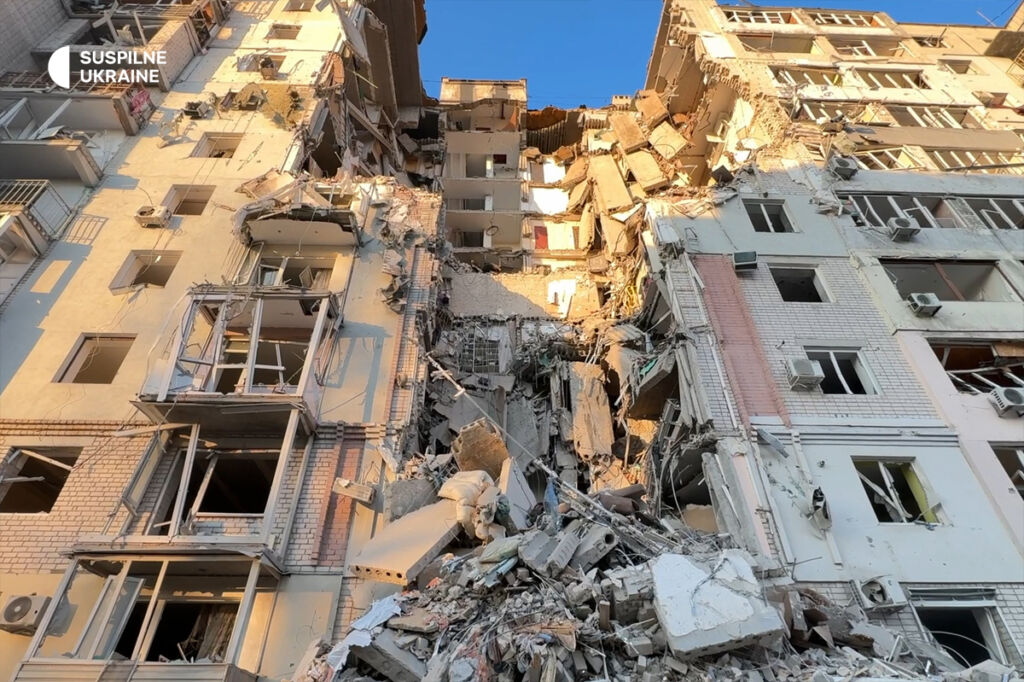
“The team of authors did not just document the problem, but gave it a human dimension through the stories of Kherson residents who live amid explosions and are still building a future. This is important work for the whole country because it reminds us that rebuilding Ukraine is not just about buildings, but also about restoring the environment and people’s health. And for our branch, this film is extremely relevant,” says Tetiana Yaremko, editor-in-chief of Suspilne Kherson.

Journalists analyzed the reaction of local authorities and international organizations, as well as what the ecological future of the region might be if the impact of the war on the environment continues to be ignored, as experts are recording elevated concentrations of harmful substances in the air, and each new strike leaves behind microparticles that can remain dangerous for a long time. At the same time, the system for monitoring atmospheric air quality in Kherson remains very outdated.

“The air in Kherson today smells of gunpowder and the incredible resilience of its people — this is perhaps the main idea of the film, which Kateryna and her team have created so accurately and concisely that when watching it, it seems as if it was filmed by the people of Kherson themselves. Living in the whirlwind of events, in our constant struggle for survival, we often fail to notice invisible threats. We see the ruins. But we don’t see the polluted air, even though its effects are already affecting us and will remain with us for many years to come,” said the author of the project, Alyona Movchan, a correspondent for Suspilne Kherson.

According to Kateryna Murovana, one of the biggest challenges while working in Kherson was the security situation—as difficult as in all frontline regions of Ukraine, with the film crew working close to areas under shelling.

“Our documentary is not a ‘scary story for the night’ or an attempt to evoke pity or fear. It is a sincere desire to show the real life of Kherson residents today: people who have not simply adapted to the circumstances, but continue to live and work with the belief that their city will soon be free and will finally be able to breathe freely,” said the director.

Military personnel, scientists, doctors, representatives of public organizations, meteorologists, and representatives of state bodies shared their thoughts on the state of the environment.

As a reminder, this spring, Suspilne announced art competitions* for six environmental investigations: air pollution caused by Russian shelling, long-standing landfills, construction on the banks of the Dnipro River, deforestation in the Carpathians, industrial pollution, and ecosystem restoration after the destruction of the Kakhovka hydroelectric power plant. 

* The competitions are being held as part of and thanks to the project “Support for Editorial and Digital Transformation and Development of Corporate Culture in Public Media in Ukraine,” funded by the Swedish International Development Cooperation Agency (Sida).

Поділитись
Privacy Preferences
When you visit our website, it may store information through your browser from specific services, usually in form of cookies. Here you can change your privacy preferences. Please note that blocking some types of cookies may impact your experience on our website and the services we offer.