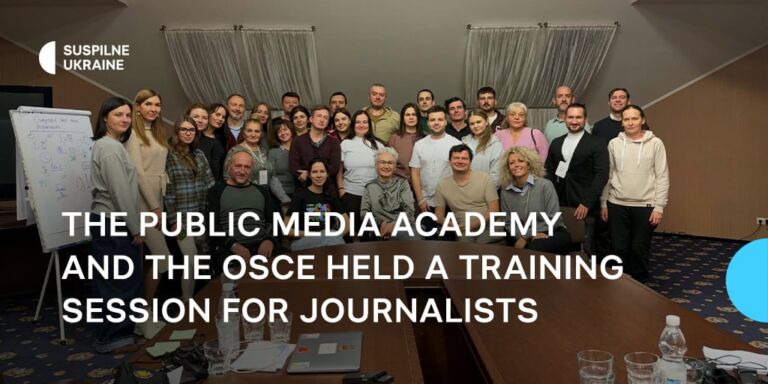


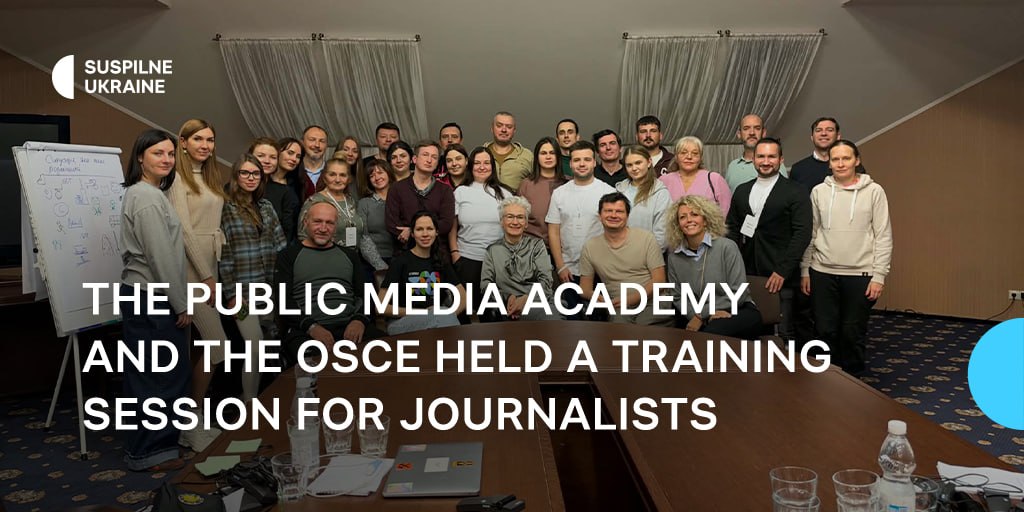
Six days of hands-on training, working with psychologists, international experts, and colleagues from various newsrooms. From November 9 to 14, the Public Media Academy, in collaboration with the Office of the OSCE Representative on Freedom of the Media, held a training session on journalist safety focused on psychological resilience and mental health support.
Thirty journalists participated in the training. Among them were 15 employees from Suspilne Dnipro, Suspilne Odesa, Suspilne Chernihiv, Suspilne Kherson, Suspilne Mykolaiv, Suspilne Sumy, and Suspilne Kharkiv, as well as 15 representatives from other Ukrainian media outlets across the country. Reporters, editors, and camera operators—who cover sensitive topics on a daily basis and work under constant psychological stress—had the opportunity to improve their mental well-being.
“Today, physical safety and psychological self-care skills have become essential for everyone working in the media. Together with the OSCE, we designed this training program to ensure that participants get as much hands-on practice as possible: from assessing risks in the field to techniques for quick recovery after stressful live broadcasts or assignments. For the Public Broadcasting Academy, the safety and resilience of our team—Suspilne journalists from various regions of the country who work under high pressure every day—are a top priority. At the same time, we are pleased that this event has brought together our colleagues and representatives from other media outlets, as sharing such experiences strengthens the entire Ukrainian journalism community,” says Yaroslava Kaminska, deputy director of the Public Media Academy.
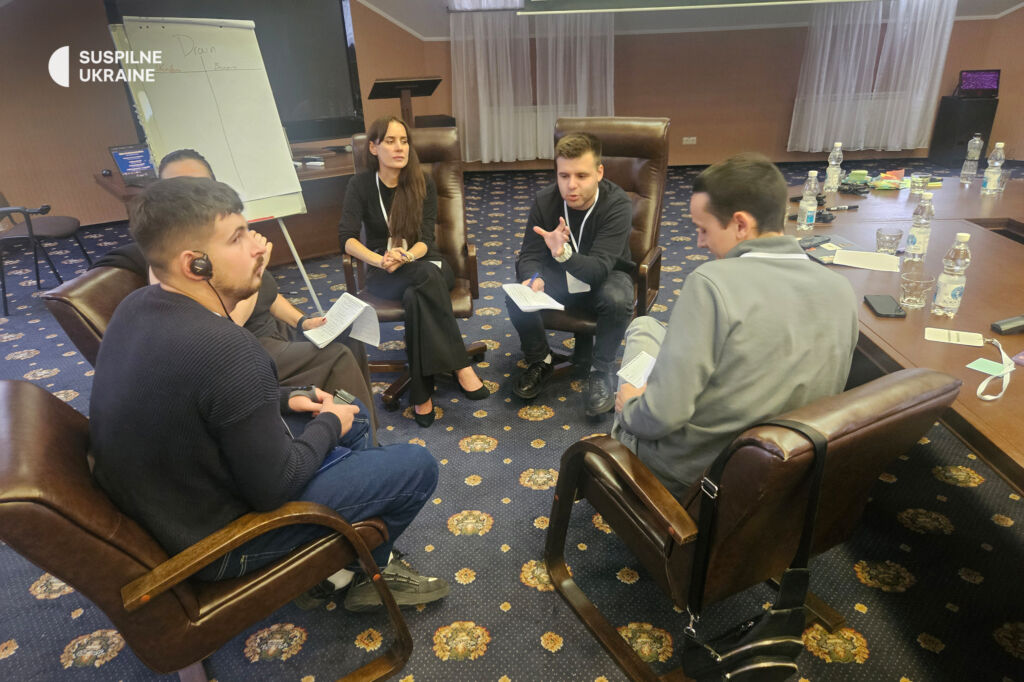
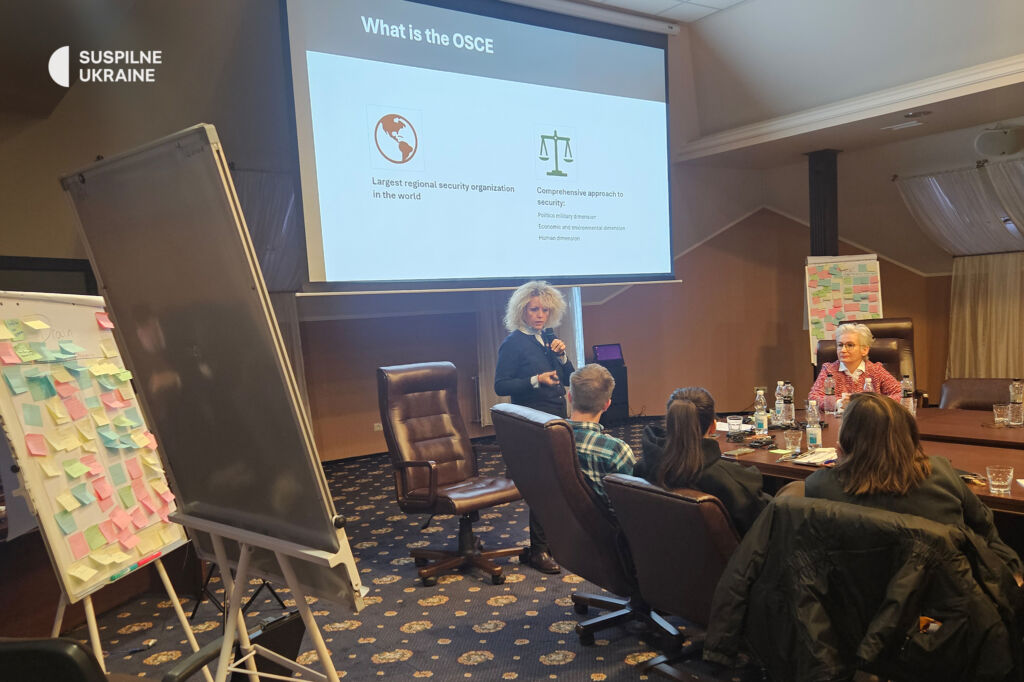
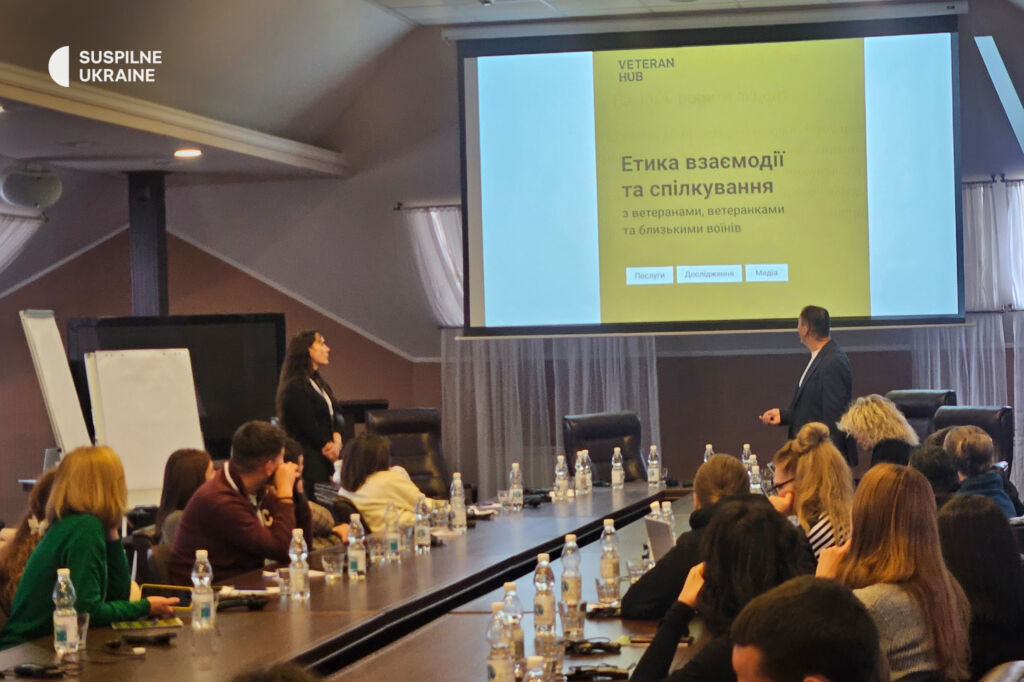
“OSCE Ministerial Council Decision 3/18 reaffirms that journalists’ safety is essential to freedom of expression and democracy. In Ukraine, journalists reporting from the frontlines and documenting attacks face not only physical dangers but also immense psychological pressure and trauma. Their mental well-being is therefore an essential part of their safety. With the Safety of Journalists Project, my Office is working to address this dimension through dedicated training and capacity-building,” says OSCE Representative on Freedom of the Media, Ambassador Jan Braathu.
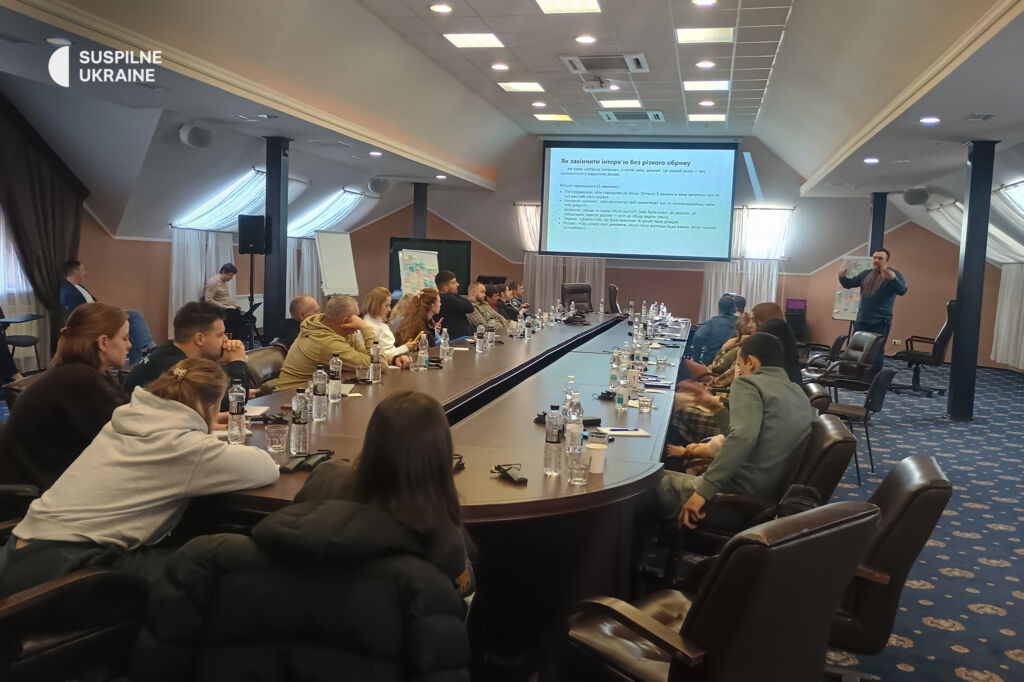
During the sessions, participants discussed how to recognize burnout, support themselves and their colleagues, work in newsrooms during crises, conduct interviews with veterans and people who have survived captivity, and cope with stress in high-risk situations.
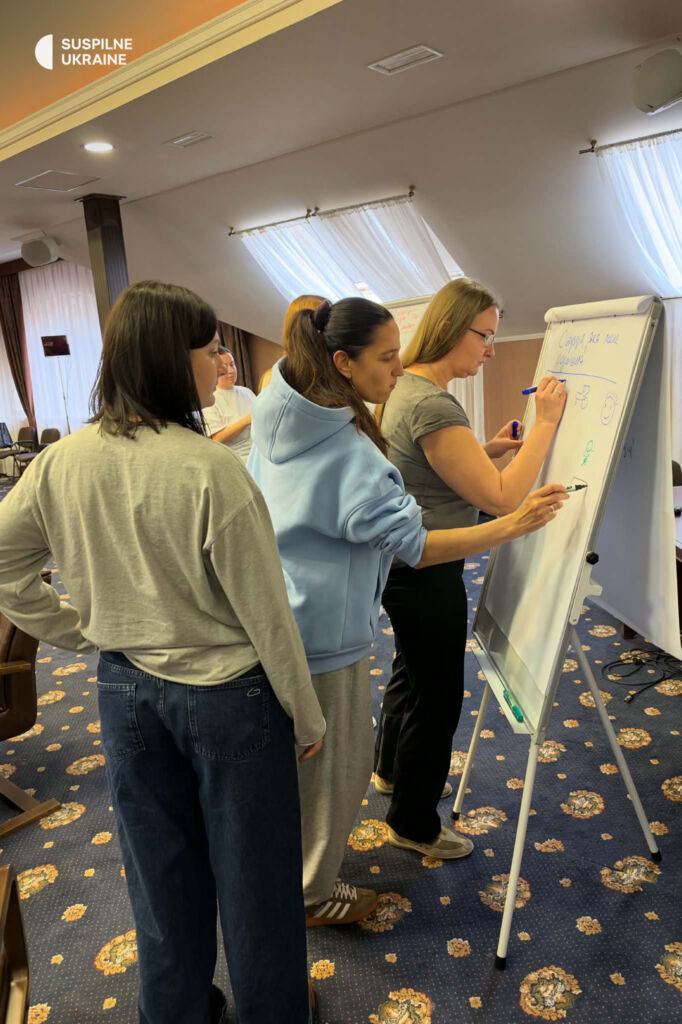
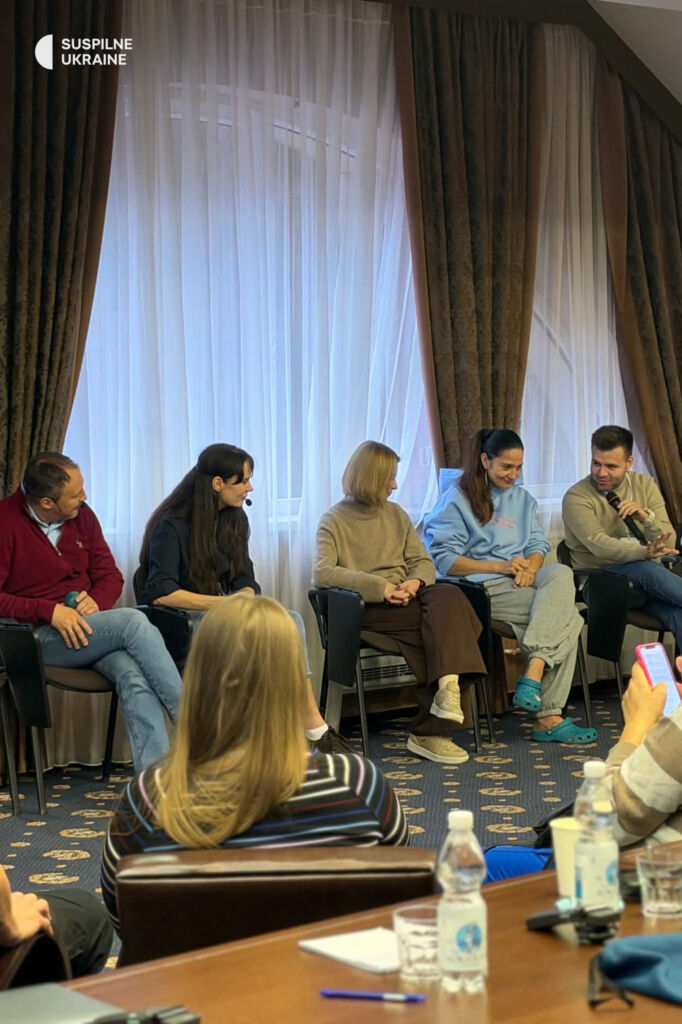
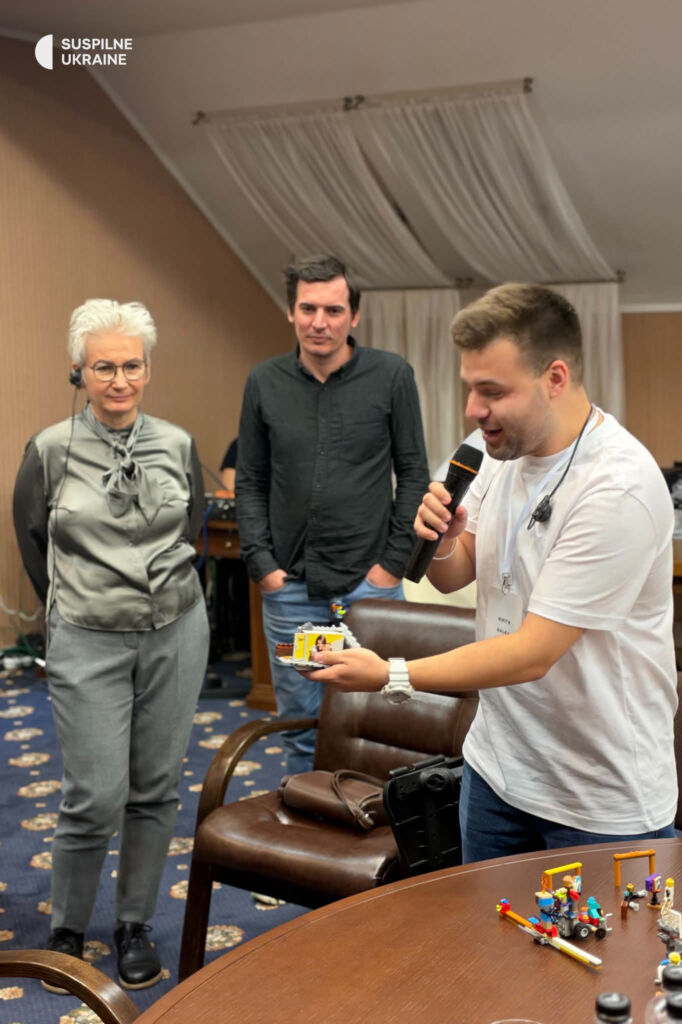
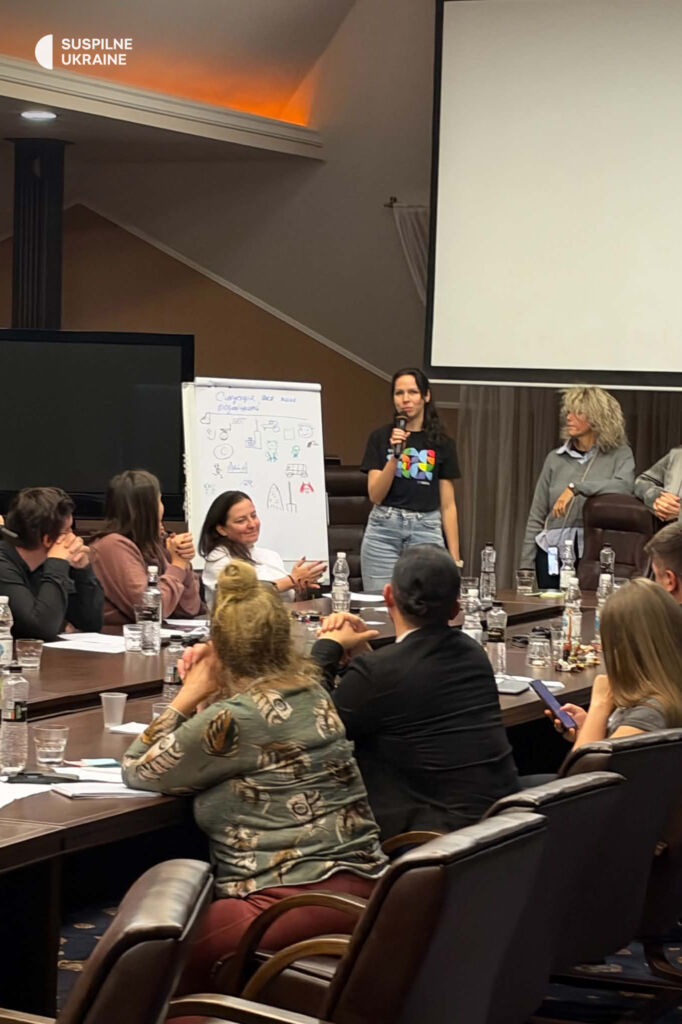
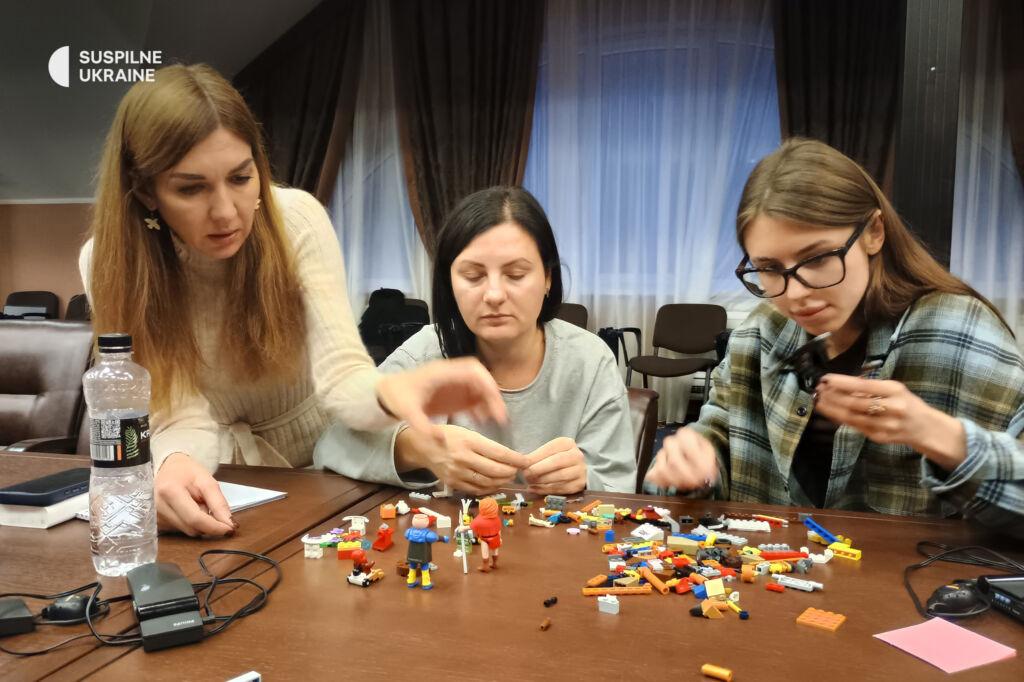
Special attention was given to the topic of psychological self-help and fostering a culture of support within newsrooms. During the training, journalists analyzed real-life work situations, shared their own experiences, and worked together to find solutions that help maintain professional effectiveness without compromising mental health.
Nazariy Golub, a correspondent for Suspilne Odesa, says the training gave him an opportunity to recover from the prolonged emotional strain that journalists face every day.
“I personally really enjoyed this meeting. I believe this is a truly important and necessary form of psychological support—especially given the nature of our work and the constant emotional strain,” says Nazarii Golub.
He noted that the program wasn’t limited to just theoretical presentations by the speakers. Participants simulated various situations, which allowed them not only to gain new knowledge but also to share their own experiences.
“We weren’t just listening — we were interacting, solving complex situations, and sharing our experiences. I especially appreciated the atmosphere, where we could speak openly and listen to one another — colleagues who understand the specifics of our work,” adds the correspondent.
The journalist also noted the practical benefits of the training and the opportunity to apply the knowledge and tools gained in his daily work.
“I want to thank the organizers for this experience. I believe it’s very important to continue holding such meetings in the future, and I’d like to keep participating in them,” says Nazarii Golub.
Media professionals learned to disconnect from the constant flow of information, practiced mindfulness exercises, participated in creative activities, and had time for personal reflection.
According to Nikita Galka, a journalist with Suspilne Novyny, the training came at just the right time for him. Due to the intense shelling of Kyiv, a hectic work schedule, and field assignments covering military operations, he needed a chance to rest and shift his focus.
“I also value these training sessions for the opportunity to meet colleagues from other Suspilne branches and other media outlets, chat with them, and build professional connections,” says Nikita.
He found the sessions on dealing with journalistic trauma, psychological self-help, and recovery in crisis situations to be the most helpful. He also highlighted the individual consultation with a psychotherapist and the discussion with OSCE representatives about the challenges Ukrainian journalists face while on the job.
“I especially remember the group exercises and sessions led by Chris Dalby. We discussed the problems that arise in newsrooms and looked for possible solutions. Thanks to the Public Broadcasting Academy and the OSCE, this training provided an opportunity to take a break, gain new knowledge, and recharge. A difficult winter lies ahead, so it’s good to head into it with renewed energy,” says Nikita Halka.
The training was organized by the Public Media Academy and the Office of the OSCE Representative on Freedom of the Media. The training was part of a joint effort aimed at enhancing the safety of Ukrainian journalists and supporting their psychological resilience amid a full-scale war.
Suspilne Ukraine is an independent media company with a strong presence across all platforms: the TV channels Pershyi, Suspilne Kultura, Suspilne Sport, and a national network of local channels; the radio stations Ukrainske Radio, Radio Promin, Radio Kultura, Radiotochka. Find only verified news on suspilne.media, as well as on our national and local digital platforms. We broadcast in minority languages, represent Ukraine at the Eurovision Song Contest, develop the children’s platform Brobaks, and train media professionals through the Public Media Academy. Our Suspilne Mediateka platform offers unique video and audio archives dating from the 1920s to today. Defending freedom in Ukraine.