

Scroll Top
  • Home
  • News
  • Artificial Intelligence in documentary filmmaking: key takeaways from the Suspilne PRO discussion at DOCU/PRO
artificial-intelligence-in-documentary-filmmaking-key-takeaways-from-the-suspilne-pro-discussion-at-docupro

Artificial Intelligence in documentary filmmaking: key takeaways from the Suspilne PRO discussion at DOCU/PRO

Поділитись

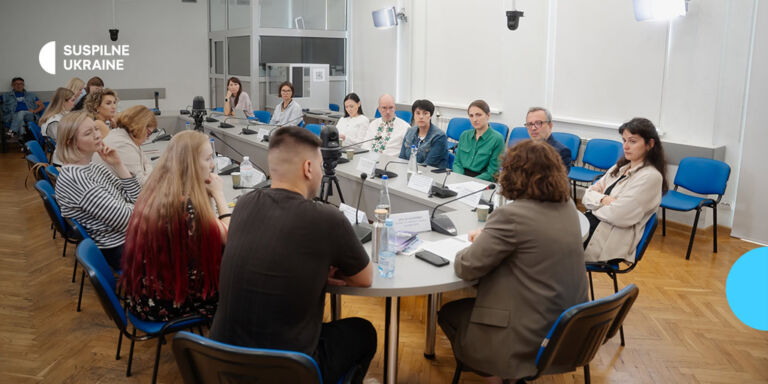
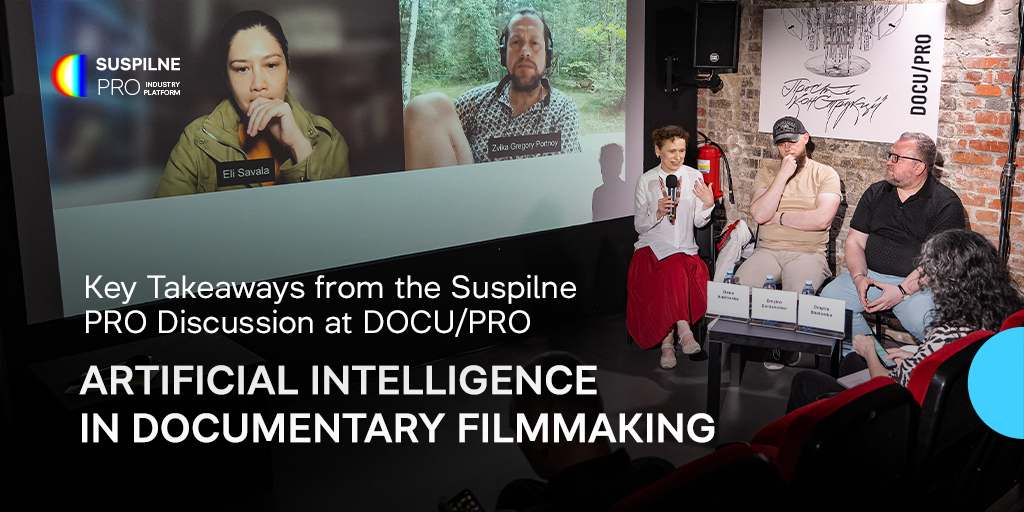
How is artificial intelligence changing documentary filmmaking? Where is the line between an author’s creative vision and disinformation? Who is responsible for AI-generated content, and how can new technologies be regulated without hindering innovation? These issues were discussed by participants in the panel discussion The Machine Films. The Human Is Responsible, organised by the Suspilne PRO industry platform. The event took place on 10 June as part of DOCU/PRO at the 23rd Docudays UA International Human Rights Documentary Film Festival.
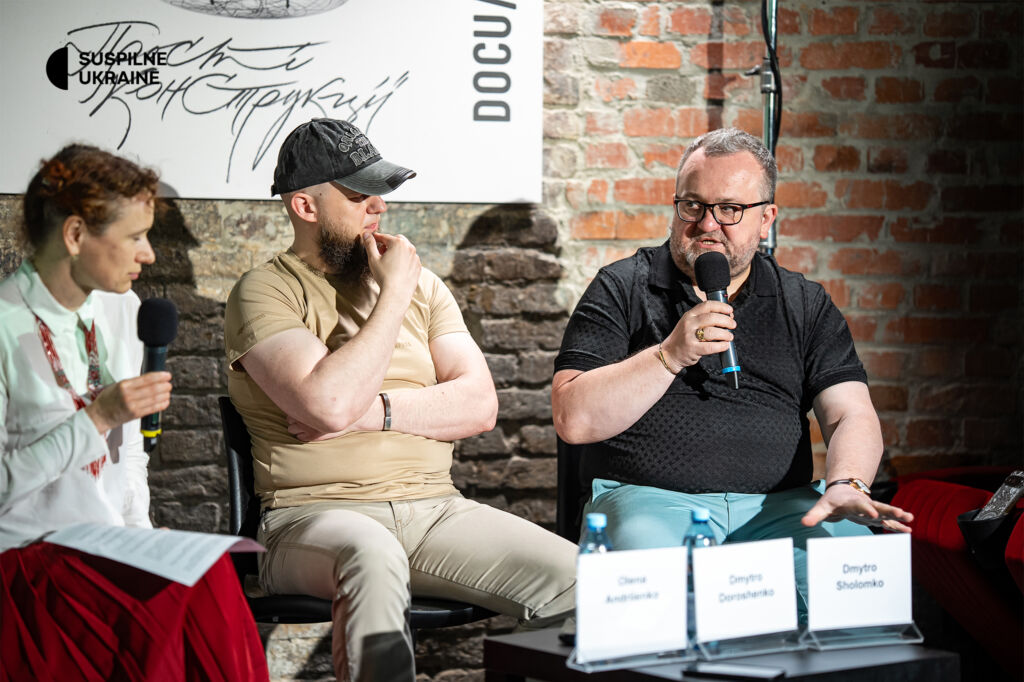
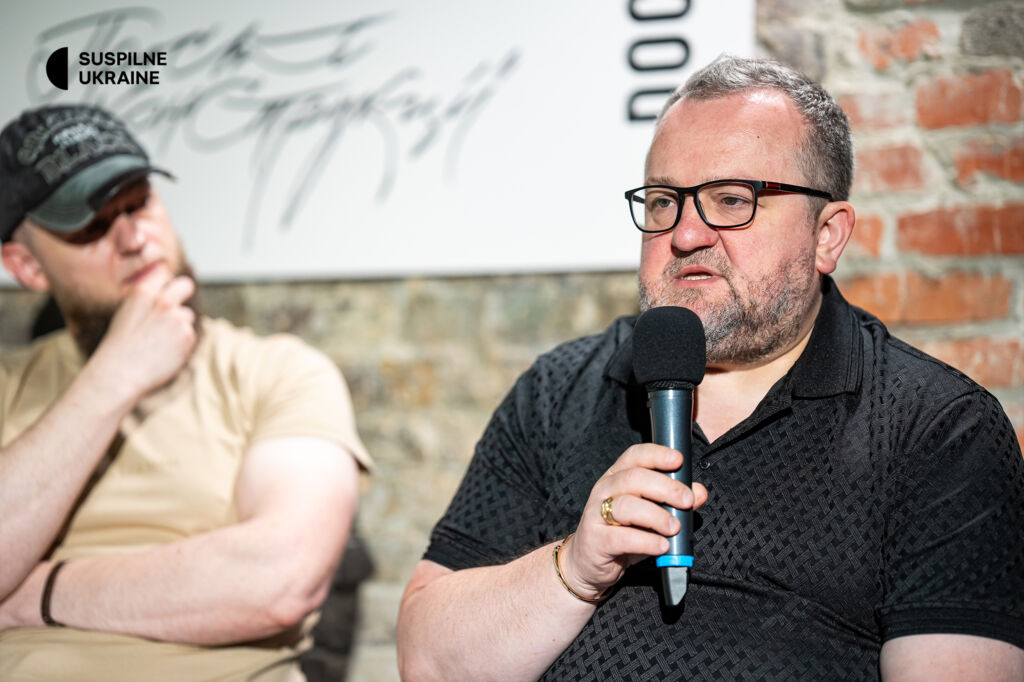
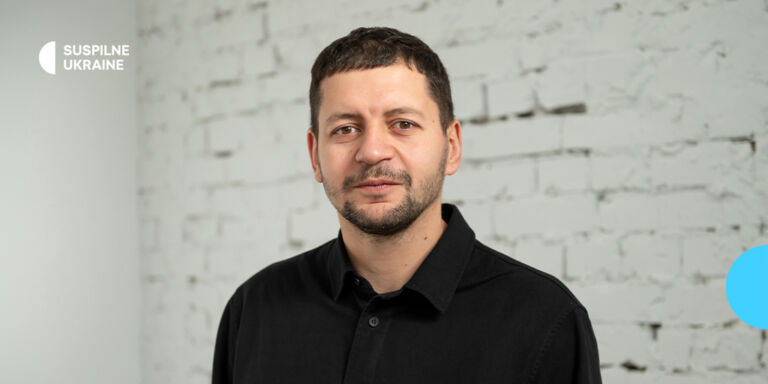
Dmytro Sholomko at the panel discussion

The discussion featured Dmytro Sholomko, an expert in digital technologies and marketing and Adviser to the Head of the Managing Board of Suspilne Ukraine on Digital Transformation; Dmytro Doroshenko, Head of the Creative Economy Sectors Development Department at the Ukrainian National Office for Intellectual Property and Innovations; Zvika Gregory Portnoy, director and cinematographer; and Eli Savala, director, producer and multidisciplinary artist. The discussion was moderated by Olena Andriienko, Chief LegalTech Officer at Publicis Groupe Ukraine and a member of the Expert Advisory Committee on the Development of Artificial Intelligence under the Ministry of Digital Transformation of Ukraine.

Dmytro Sholomko noted that AI could significantly change the economics of documentary production.

“Artificial intelligence can help small organisations and small groups of creators produce something striking with fewer resources and at a lower cost. In effect, artificial intelligence will create opportunities to produce something on a larger scale with fewer resources. The market will therefore see more projects and more creators capable of producing work on a larger scale,” said Dmytro Sholomko.

Zvika Gregory Portnoy emphasized that artificial intelligence could be useful at various stages of working with material but should not generate or replace the author’s creative vision.

“I mostly use AI tools to gather the information I need. We call it research. In some cases, it replaces going to a library,” said Zvika Gregory Portnoy. “For me, it is very important, when I start working with a tool, to train it for my specific needs. It is not only about the prompt. It is very important to me that the tool understands not only what I need, but also who I am.”
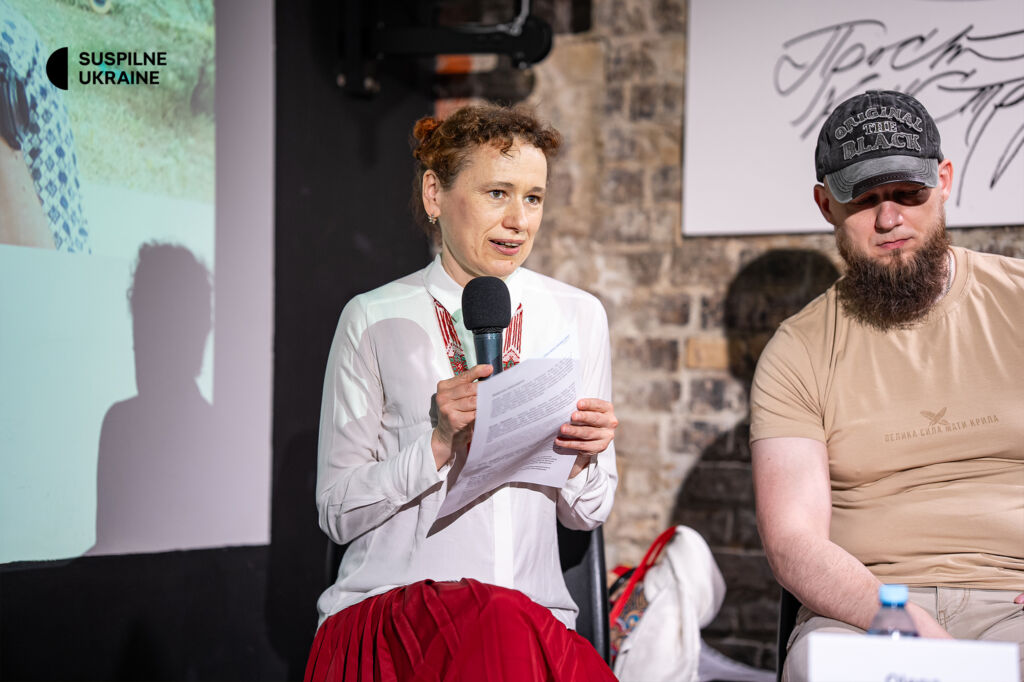
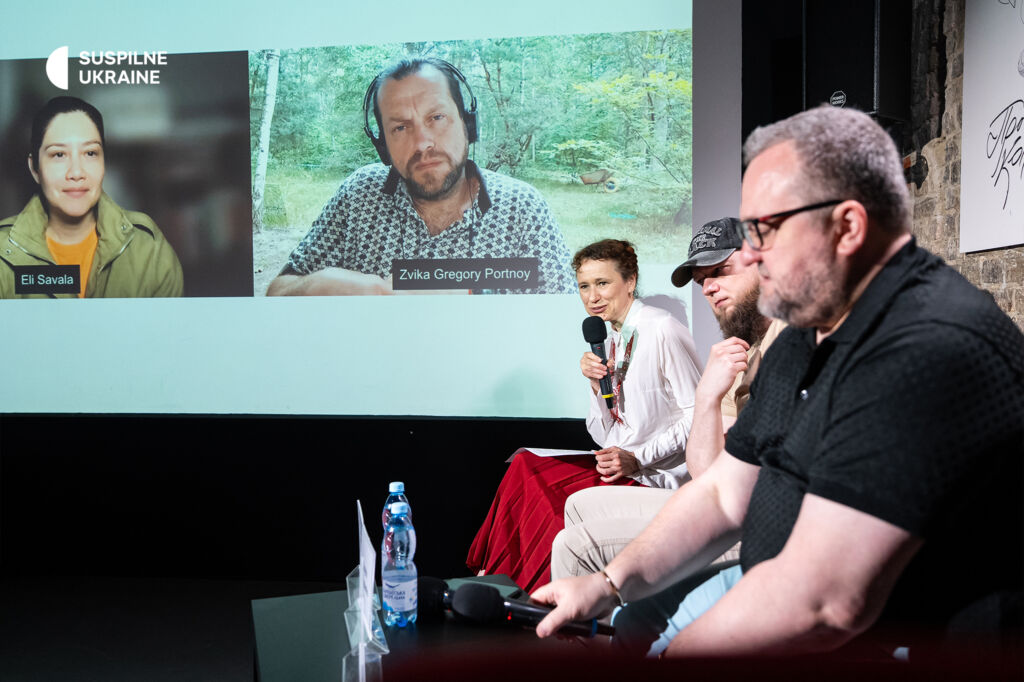
Olena Andriienko
Olena Andriienko
Zvika Gregory Portnoy online

Olena Andriienko noted that audiences expect documentary films to present the truth. However, filmmakers do not always have direct access to the subjects they are filming, so AI can be useful for reconstructions or simulations:

“Documentary filmmaking is based on the audience immediately accepting and assuming that what they are being shown is the truth and nothing but the truth. On the other hand, when making a documentary, it is not always possible to gain direct access to the subject being filmed. AI can therefore be very useful for reconstruction and simulation.”
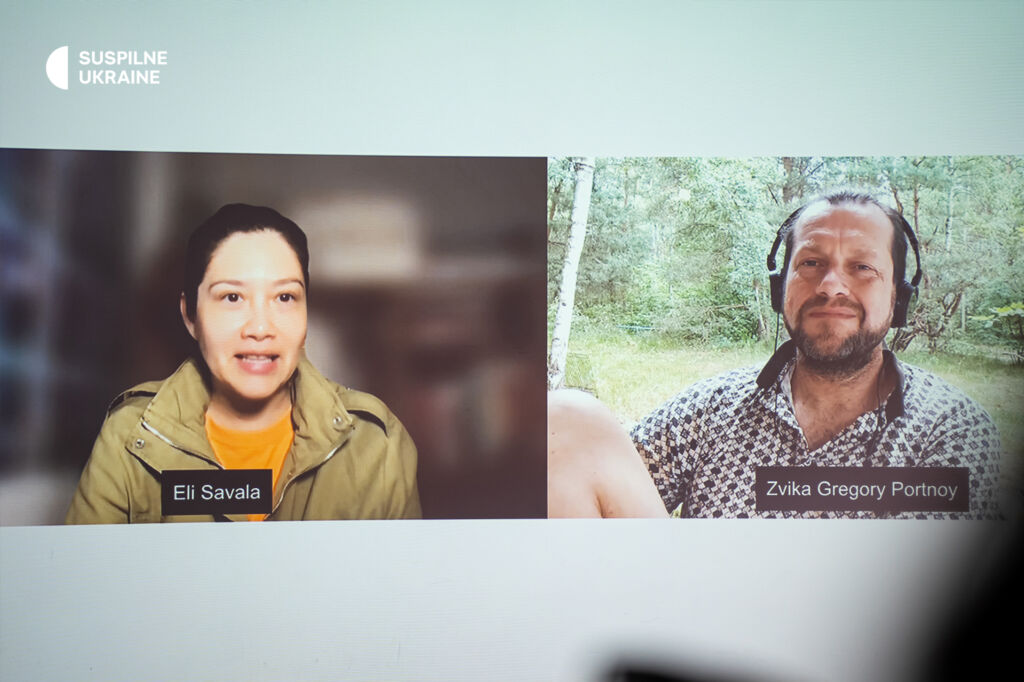
Eli Savala and Zvika Gregory Portnoy

Eli Savala emphasised that any fragments created or reconstructed using AI should be clearly labelled.

“We must ask ourselves every time whether AI is helping us work better, faster and more efficiently, or whether it is creating something unreal, something that never existed and could therefore be misleading. For me, documentary filmmaking is about reality. It can be conveyed through a highly creative language, but reality must still remain at its core,” said Eli Savala. She added: “It should be clearly stated: ‘We used AI for this part.’”
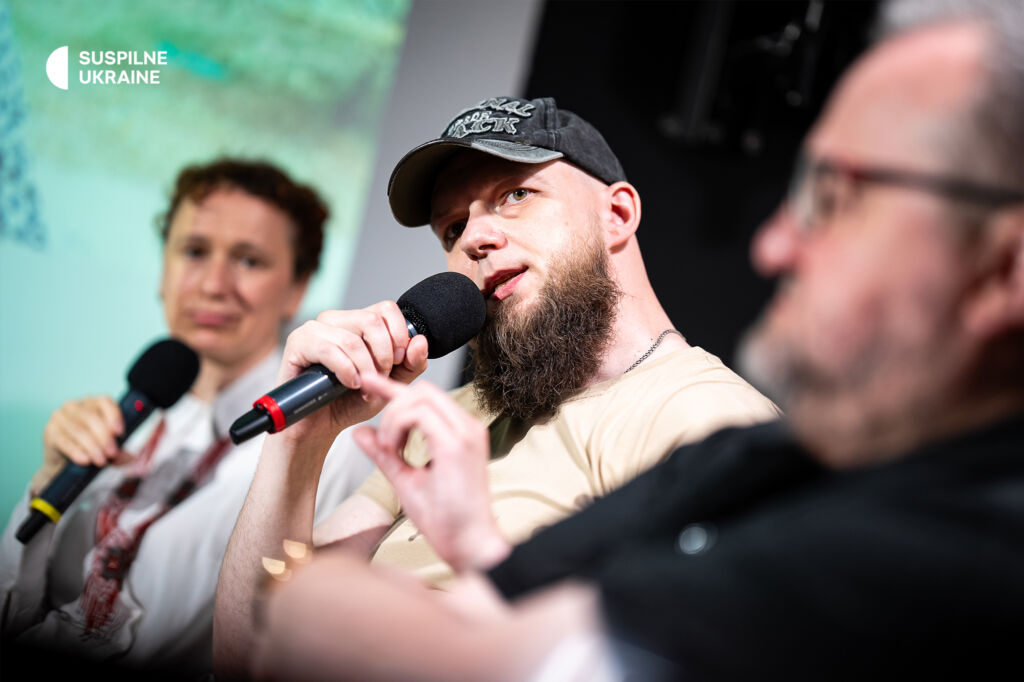
Dmytro Doroshenko
Dmytro Doroshenko

A separate section of the discussion focused on copyright and the legal status of content created using artificial intelligence. Dmytro Doroshenko noted that Ukraine was among the first countries in the world to provide legal protection for generated content. He also emphasized the distinction between fully generated content and a work created by a person using AI tools.

“Several years ago, Ukraine effectively became the first country in the world where, unlike in other jurisdictions, generated content received a form of protection. […] The well-known Article 33 was introduced into Ukrainian law, providing generated content with sui generis rights similar to economic copyright. However, the term of protection lasts for 25 years from the moment of generation, rather than throughout the author’s lifetime, because there is no author in this case. The content has been generated,” said Dmytro Doroshenko.

Simply entering a prompt is not a sufficient creative contribution for a generated product to qualify as a work. However, when you add your own creative contribution to a generated product — by editing the text, adding something, overlaying an additional track onto the music, processing an image in Photoshop, applying filters or adding hand-drawn elements — the object becomes subject to copyright because it includes a human contribution.”

Suspilne PRO is an industry platform created by Suspilne Ukraine to foster professional dialogue between the public broadcaster and Ukraine’s wider audiovisual, media and creative communities.

DOCU/PRO is an industry platform within the Docudays UA International Human Rights Documentary Film Festival. It was created to promote Ukrainian documentary cinema, support the Ukrainian filmmaking community and establish connections with international documentary experts.

Suspilne Ukraine is an independent media company with a strong presence across all platforms: the TV channels PershyiSuspilne KulturaSuspilne Sport, and a national network of local channels; the radio stations Ukrainske Radio, Radio Promin, Radio Kultura, Radiotochka. Find only verified news on suspilne.media, as well as on our national and local digital platforms. We broadcast in minority languages, represent Ukraine at the Eurovision Song Contest, develop the children’s platform Brobaks, and train media professionals through the Public Media Academy. Our Suspilne Mediateka platform offers unique video and audio archives dating from the 1920s to today. Defending freedom in Ukraine. 

Photographed by Anastasiia Mantach

Поділитись
artificial-intelligence-in-documentary-filmmaking-key-takeaways-from-the-suspilne-pro-discussion-at-docupro

Artificial Intelligence in documentary filmmaking: key takeaways from the Suspilne PRO discussion at DOCU/PRO

Поділитись

How is artificial intelligence changing documentary filmmaking? Where is the line between an author’s creative vision and disinformation? Who is responsible for AI-generated content, and how can new technologies be regulated without hindering innovation? These issues were discussed by participants in the panel discussion The Machine Films. The Human Is Responsible, organised by the Suspilne PRO industry platform. The event took place on 10 June as part of DOCU/PRO at the 23rd Docudays UA International Human Rights Documentary Film Festival.

Dmytro Sholomko at the panel discussion

The discussion featured Dmytro Sholomko, an expert in digital technologies and marketing and Adviser to the Head of the Managing Board of Suspilne Ukraine on Digital Transformation; Dmytro Doroshenko, Head of the Creative Economy Sectors Development Department at the Ukrainian National Office for Intellectual Property and Innovations; Zvika Gregory Portnoy, director and cinematographer; and Eli Savala, director, producer and multidisciplinary artist. The discussion was moderated by Olena Andriienko, Chief LegalTech Officer at Publicis Groupe Ukraine and a member of the Expert Advisory Committee on the Development of Artificial Intelligence under the Ministry of Digital Transformation of Ukraine.

Dmytro Sholomko noted that AI could significantly change the economics of documentary production.

“Artificial intelligence can help small organisations and small groups of creators produce something striking with fewer resources and at a lower cost. In effect, artificial intelligence will create opportunities to produce something on a larger scale with fewer resources. The market will therefore see more projects and more creators capable of producing work on a larger scale,” said Dmytro Sholomko.

Zvika Gregory Portnoy emphasized that artificial intelligence could be useful at various stages of working with material but should not generate or replace the author’s creative vision.

“I mostly use AI tools to gather the information I need. We call it research. In some cases, it replaces going to a library,” said Zvika Gregory Portnoy. “For me, it is very important, when I start working with a tool, to train it for my specific needs. It is not only about the prompt. It is very important to me that the tool understands not only what I need, but also who I am.”

Olena Andriienko
Olena Andriienko
Zvika Gregory Portnoy online

Olena Andriienko noted that audiences expect documentary films to present the truth. However, filmmakers do not always have direct access to the subjects they are filming, so AI can be useful for reconstructions or simulations:

“Documentary filmmaking is based on the audience immediately accepting and assuming that what they are being shown is the truth and nothing but the truth. On the other hand, when making a documentary, it is not always possible to gain direct access to the subject being filmed. AI can therefore be very useful for reconstruction and simulation.”

Eli Savala and Zvika Gregory Portnoy

Eli Savala emphasised that any fragments created or reconstructed using AI should be clearly labelled.

“We must ask ourselves every time whether AI is helping us work better, faster and more efficiently, or whether it is creating something unreal, something that never existed and could therefore be misleading. For me, documentary filmmaking is about reality. It can be conveyed through a highly creative language, but reality must still remain at its core,” said Eli Savala. She added: “It should be clearly stated: ‘We used AI for this part.’”

Dmytro Doroshenko
Dmytro Doroshenko

A separate section of the discussion focused on copyright and the legal status of content created using artificial intelligence. Dmytro Doroshenko noted that Ukraine was among the first countries in the world to provide legal protection for generated content. He also emphasized the distinction between fully generated content and a work created by a person using AI tools.

“Several years ago, Ukraine effectively became the first country in the world where, unlike in other jurisdictions, generated content received a form of protection. […] The well-known Article 33 was introduced into Ukrainian law, providing generated content with sui generis rights similar to economic copyright. However, the term of protection lasts for 25 years from the moment of generation, rather than throughout the author’s lifetime, because there is no author in this case. The content has been generated,” said Dmytro Doroshenko.

Simply entering a prompt is not a sufficient creative contribution for a generated product to qualify as a work. However, when you add your own creative contribution to a generated product — by editing the text, adding something, overlaying an additional track onto the music, processing an image in Photoshop, applying filters or adding hand-drawn elements — the object becomes subject to copyright because it includes a human contribution.”

Suspilne PRO is an industry platform created by Suspilne Ukraine to foster professional dialogue between the public broadcaster and Ukraine’s wider audiovisual, media and creative communities.

DOCU/PRO is an industry platform within the Docudays UA International Human Rights Documentary Film Festival. It was created to promote Ukrainian documentary cinema, support the Ukrainian filmmaking community and establish connections with international documentary experts.

Suspilne Ukraine is an independent media company with a strong presence across all platforms: the TV channels PershyiSuspilne KulturaSuspilne Sport, and a national network of local channels; the radio stations Ukrainske Radio, Radio Promin, Radio Kultura, Radiotochka. Find only verified news on suspilne.media, as well as on our national and local digital platforms. We broadcast in minority languages, represent Ukraine at the Eurovision Song Contest, develop the children’s platform Brobaks, and train media professionals through the Public Media Academy. Our Suspilne Mediateka platform offers unique video and audio archives dating from the 1920s to today. Defending freedom in Ukraine. 

Photographed by Anastasiia Mantach
Поділитись
Privacy Preferences
When you visit our website, it may store information through your browser from specific services, usually in form of cookies. Here you can change your privacy preferences. Please note that blocking some types of cookies may impact your experience on our website and the services we offer.